••
Ghana's Governance at a Crossroads: Debates Intensify Over OSP Independence and Constitutional Reform
•3 min read•27 sources
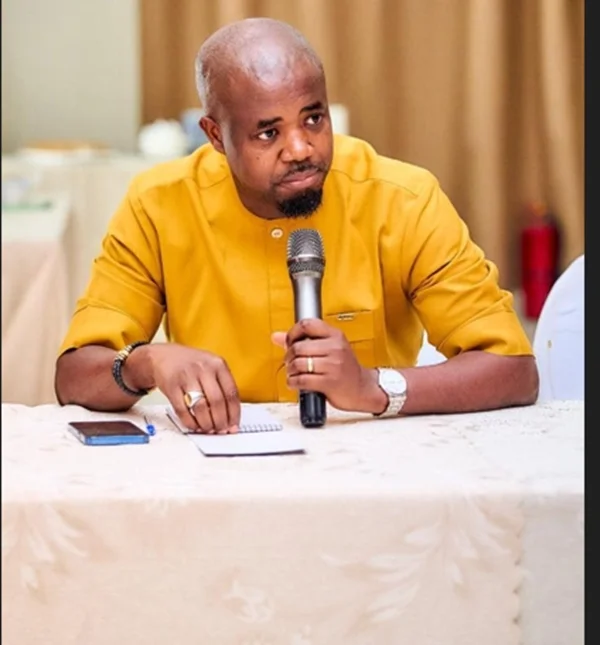
Ghana’s political and legal landscape is currently defined by a heated debate over the future of the Office of the Special Prosecutor (OSP) and a growing demand for comprehensive constitutional reforms. The Minority in Parliament has urged the Supreme Court to expedite hearings regarding the OSP’s prosecutorial powers, following a High Court ruling that nullified certain prosecutions due to a lack of explicit authorization from the Attorney-General. This legal impasse has already impacted high-profile corruption cases, most notably the trial of former Public Procurement Authority Chief Adjenim Boateng Adjei, which has been paused pending a definitive ruling on the OSP’s mandate. While the Minority accuses the National Democratic Congress (NDC) of attempting to weaken the anti-corruption institution, NDC legal director Godwin Edudzi Tameklo argues that the OSP suffers from inherent legal defects under Article 88 of the Constitution, which centralizes prosecutorial authority in the Attorney-General.
Adding complexity to the discourse, Majority Chief Whip Rockson-Nelson Dafeamekpor has offered a nuanced critique of the OSP, asserting that while the office must remain operational, it requires significant performance improvements to justify its substantial budget. Dafeamekpor advocates for a decentralized model with increased regional presence and suggests that the OSP’s independence is not compromised by constitutional oversight from the Attorney-General. Conversely, various Civil Society Organisations (CSOs), including CDD-Ghana and the Ghana Anti-Corruption Coalition, are calling for the establishment of a truly independent public prosecutor. They argue that the current framework allows for potential political interference and that the citizenry must demand a separation between political leadership and prosecutorial power to safeguard the country’s anti-corruption framework.
Parallel to the OSP controversy, there is a renewed push for structural governance changes led by the Youth Platform on Constitution Reform. The group is urging the government to establish a multi-stakeholder committee to implement the long-delayed Constitution Review Commission (CRC) report. Their proposals include lowering the minimum age for presidential candidates, capping the number of ministerial appointments, and enhancing public participation in legislative processes. These advocates warn that continued delays in constitutional reform could lead to missed opportunities for national development and further erode trust in democratic institutions. Meanwhile, legal luminary Tsatsu Tsikata has expressed cautious optimism regarding the judiciary, suggesting that the era of extreme judicial manipulation is fading, even as he shared chilling accounts of personal threats faced during his 2008 imprisonment.
Beyond institutional reforms, several high-profile disputes have taken on political dimensions, including the Ghana Maritime Authority’s rebuttal of claims by MP Samuel Awuku regarding the MV Sankofa vessel’s links to drug trafficking. The Authority clarified that the ship is no longer on the Ghana Ship Registry, accusing the MP of using media engagement to misinform the public rather than following parliamentary procedures. Additionally, the Catchment Area Community Alliance (CACA) has demanded the immediate abrogation of the Bogoso–Prestea mining lease due to persistent operational failures. These diverse issues—from the prosecutorial powers of the OSP to the integrity of maritime and mining regulations—underscore a pivotal moment in Ghana’s democracy, where the resolution of legal ambiguities and the commitment to constitutional reform will likely dictate the country’s trajectory for years to come.
This story touches markets covered on Anansi Intelligence ↗.
Related topic
NDC (National Democratic Congress): Latest News →More from politics
Continue exploring similar stories


