••
Ghana Faces Stark Nutritional Disparities Amid Healthcare Expansion and Global Workplace Safety Warnings
•3 min read•7 sources
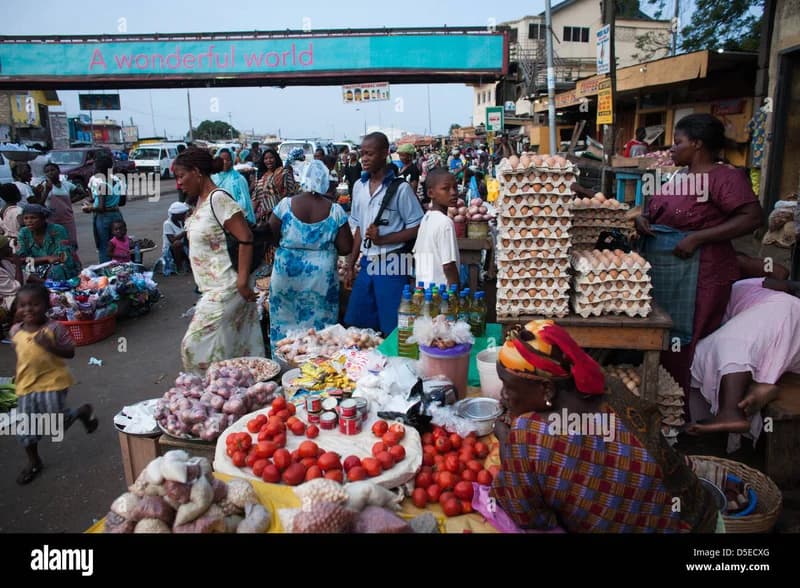
A recent Mobile Vulnerability Analysis and Mapping (mVAM) report from the Ghana Statistical Service (GSS) has revealed a complex nutritional landscape in Ghana. While a significant 91% of the population—approximately 29.8 million people—maintains acceptable food consumption levels, nearly 2.6 million Ghanaians remain nutritionally vulnerable. The data indicates that 8% of the population is struggling to access adequate nutrition, with over 335,000 individuals identified as being at high risk of hunger and malnutrition. This contrast highlights a persistent gap in the national food security framework despite overall positive consumption trends reported for the final quarter of 2025.
Significant regional inequalities characterize this food insecurity crisis. The northern regions are disproportionately affected, with nearly 40% of households experiencing poor or borderline food consumption. In stark contrast, ten other regions, including Central and Greater Accra, boast food security rates exceeding 95%. Beyond geography, the GSS report identifies specific demographic vulnerabilities: food insecurity is more pronounced in rural areas and among male-headed households. Education also serves as a critical buffer, as uneducated household heads face significantly higher rates of nutritional instability. Dr. Alhassan Iddrisu of the GSS has emphasized the urgent need for targeted interventions in high-risk areas rather than generalized national strategies that might overlook these concentrated pockets of need.
In tandem with these nutritional challenges, Ghana is making significant strides in its public health infrastructure. The National Health Insurance Authority (NHIA) has announced the inclusion of breast cancer screening in its Free Primary Healthcare (FPHC) package. This policy shift, confirmed by Director of Operations Ms. Miriam Musah, aims to bolster preventive healthcare across the country. To further support cancer patients, the NHIA is revising service tariffs to improve access to chemotherapy and radiotherapy. These reforms are part of a broader strategy to provide comprehensive support for various conditions, including cervical and paediatric cancers, ensuring that financial barriers do not impede critical medical treatment.
These domestic developments occur against a backdrop of increasing global concerns regarding workplace safety and psychosocial health. A new report from the International Labour Organization (ILO) warns that more than 840,000 workers die annually due to workplace-related stress and harassment. These psychosocial risks, ranging from excessive workloads to poor working conditions, not only lead to cardiovascular and mental health crises but also result in a global economic loss of approximately 1.37% of GDP. As Africa's economies continue to transform rapidly, the ILO emphasizes the necessity of fostering fair and healthy work environments to protect worker well-being and sustain economic growth, paralleling Ghana's own efforts to address the social and physical vulnerabilities of its citizens.
This story touches markets covered on Anansi Intelligence ↗.
More from africa
Continue exploring similar stories


