••
Ghana National Affairs: Government Addresses Security, Education, and Personnel Welfare Concerns
•2 min read•8 sources
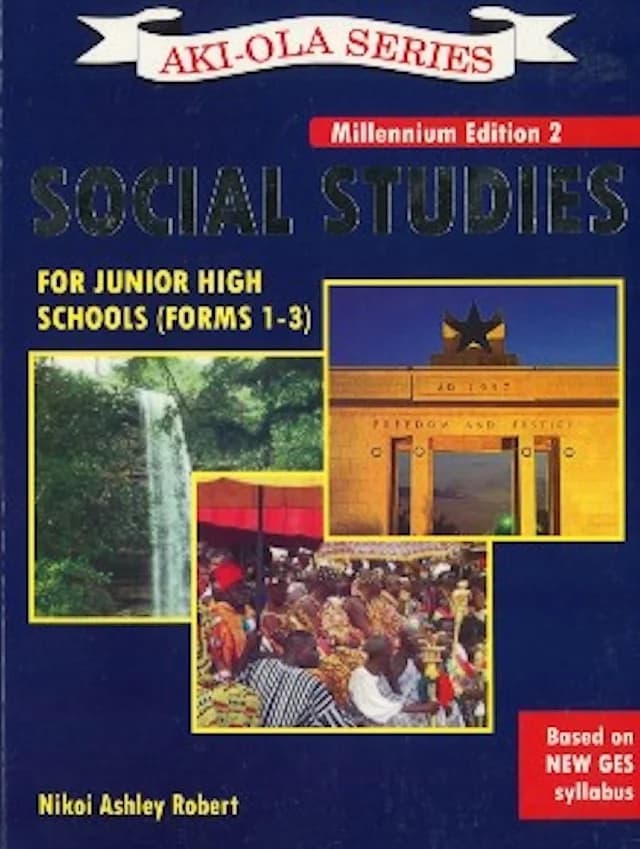
The Ghanaian government and various national authorities are currently managing a series of critical security, financial, and educational developments aimed at ensuring national stability and citizen welfare. Most prominently, the National Service Authority (NSA) has officially pledged to clear all outstanding personnel allowances by the end of this week, following delays caused by essential verification processes conducted by the Ghana Interbank Payment and Settlement Systems Limited (GhIPSS). Simultaneously, the Ministry of Foreign Affairs is coordinating the medical evacuation of survivors from a tragic jihadist attack in Titao, Burkina Faso, which claimed the lives of eight Ghanaian tomato traders. Following a directive from President John Dramani Mahama, the Ghana Airforce will lead the operation, while the government has issued new travel guidelines for high-risk regions to prevent further casualties. In the realm of educational and regulatory reform, Member of Parliament for Ketu North, Eric Edem Agbana, has announced plans to petition the Ghana Education Service (GES) for a review of Social Studies textbooks in the Aki-Ola Series. Agbana alleges that the materials provide a misleading portrayal of Ghana's colonial history by emphasizing the benefits of foreign rule while ignoring historical brutalities. Meanwhile, the Advertising Association of Ghana (AAG) is demanding greater transparency and a structured framework for the ongoing billboard demolition exercise in Accra and Kumasi. While the AAG supports urban safety, they have criticized the lack of stakeholder consultation and warned that sudden enforcement actions could severely damage legitimate local businesses. On the legal and social advocacy front, the Adabraka District Court has granted bail of GH¢30,000 each to Joseph Donkor and Eric Tawiah Annang, who are accused of damaging a tombstone at the Osu Cemetery during an alleged illegal grave-digging attempt. The case, which has drawn attention to cemetery security, is set to resume in March 2026. Complementing these developments, health insurance advocate Princess Osisiadan-Quaye is championing a nationwide shift toward universal coverage to protect informal sector workers from financial ruin during medical emergencies. Collectively, these events underscore a period of intense institutional activity as Ghana navigates complex challenges across the sectors of security, education, commerce, and public health.
This story touches markets covered on Anansi Intelligence ↗.
Related topic
Ghana Education Service (GES): Latest News Today →More from politics
Continue exploring similar stories


