••
Internal Party Strife and Continental Shifts: Navigating Ghana’s Political Tensions and Africa’s Evolving Governance
•3 min read•21 sources
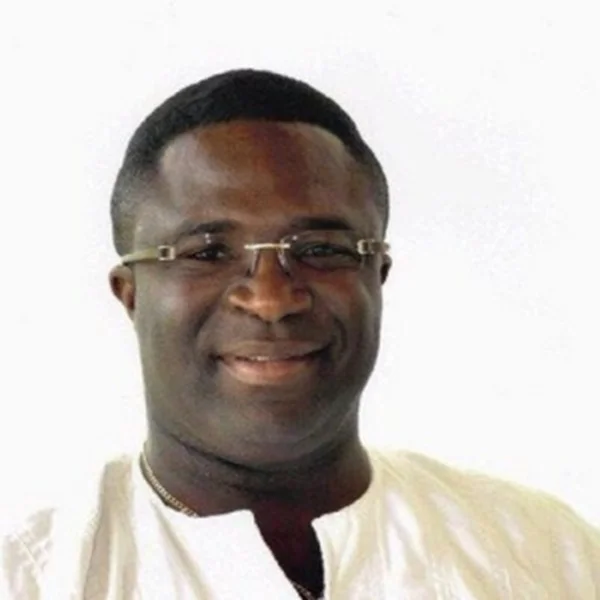
Ghana’s political landscape is currently navigating a period of significant internal friction and public skepticism, most notably within the ruling New Patriotic Party (NPP). In the Tarkwa-Nsuaem Constituency, the party’s polling station registration exercise has been marred by near-violent confrontations and allegations of procedural malpractice. Reports indicate that several Electoral Area Coordinators have bypassed official polling station albums in favor of ordinary exercise books, leading to widespread suspicion regarding the integrity of the process. Furthermore, the constituency secretary has been accused of favoritism by distributing registration booklets to personal allies. These disruptions have prompted urgent calls for national leadership intervention to restore order, even as Eugene Boakye Antwi, a candidate for NPP General Secretary, urges members to remain committed to the nationwide reorganization efforts essential for party mobilization.
This grassroots turbulence reflects a broader national trend of democratic disillusionment highlighted during Ghana's 69th Independence anniversary. Recent Afrobarometer data reveals a sobering reality: approximately 52% of citizens feel indifferent toward the major political parties, and only 25% believe the country is a full democracy. Critics and political analysts suggest that the nation is at risk of sliding into a ‘kleptocratic plutocracy’ where wealth and influence are concentrated among a small elite. While the Fourth Republic has maintained judicial independence and some economic gains, rampant allegations of corruption among public officials continue to erode public trust, fostering a climate of frustration that mirrors the local tensions seen in Tarkwa-Nsuaem.
Beyond Ghana’s borders, West Africa is witnessing a dramatic reshaping of political authority as military-led regimes consolidate power. In Guinea, the junta led by Mamady Doumbouya has issued a decree dissolving 40 political parties, including the three primary opposition groups: the UFDG, RPG, and UFR. This move, justified by the government as a response to administrative failures, has been condemned by civil society as an autocratic power grab. Simultaneously, in Gabon, military leader Brice Oligui Nguema has announced his candidacy for the 2026 presidential elections, utilizing a new electoral code that allows military personnel to transition into civilian roles. These developments signal a precarious trend for democratic pluralism across the sub-region, as transitional periods increasingly lead to entrenched military influence.
Regional security and economic stability also remain under severe pressure. In Nigeria, a devastating attack on the village of Ngoshe in Borno State by suspected Boko Haram or ISWAP militants resulted in numerous casualties and the abduction of over 100 women and children. This security crisis is compounded by economic hardships, with figures like veteran actor Pete Edochie publicly lamenting the high costs of basic amenities and infrastructure neglect. Meanwhile, in East Africa, Ethiopian Prime Minister Abiy Ahmed has called for dialogue to prevent renewed conflict in the Tigray region, despite reports of troop movements. On the global stage, international security concerns have been heightened by the conviction of Asif Merchant, a Pakistani national linked to an Iranian-backed plot to assassinate U.S. officials. Together, these events underscore a complex global political environment defined by a delicate balance between democratic aspirations and rising authoritarian and security threats.
This story touches markets covered on Anansi Intelligence ↗.
Related topic
NPP (New Patriotic Party): Latest News →More from politics
Continue exploring similar stories


