••
Ghana and Nigeria Issue High-Alert Warnings as Xenophobic Attacks Escalate in South Africa
•3 min read•31 sources
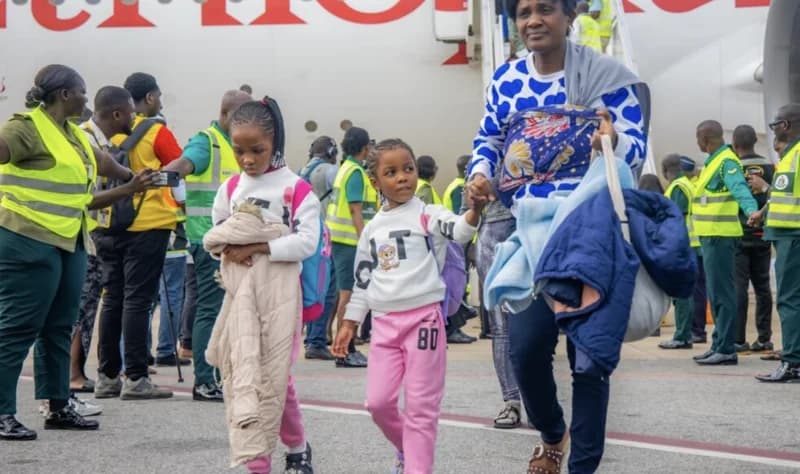
The Government of Ghana, through the Ministry of Foreign Affairs, has issued an urgent travel advisory cautioning its citizens against non-essential travel to South Africa following a surge in xenophobic violence. The directive comes in response to escalating attacks by anti-immigrant vigilante groups, which have resulted in widespread looting, business takeovers, and injuries to foreign African nationals. Ghana’s High Commissioner to South Africa, Benjamin Quashie, confirmed that the government has already repatriated approximately 300 nationals, with an additional 600 individuals, including senior miners seeking safety ahead of planned demonstrations, currently being screened for evacuation. To support those returning, the Ministry has collaborated with local businesses to secure 120 job opportunities to facilitate their reintegration into the Ghanaian economy.
The unrest has triggered significant diplomatic and security concerns across the continent, particularly in Nigeria. The Nigerian Police Force has intensified security around foreign diplomatic missions and critical infrastructure, issuing stern warnings against reprisal attacks on South African interests within Nigeria. While tensions remain high, Nigerian authorities have urged for calm and restraint, emphasizing that violence will not resolve the grievances of Nigerians abroad. Simultaneously, the African Chamber of Content Producers (ACCP) has called for an emergency summit of the African Union (AU) and the African Continental Free Trade Area (AfCFTA) Secretariat, warning that the violence is already damaging intra-African trade and causing a sharp decline in regional tourism bookings.
Prominent African leaders have condemned the hostility as a direct threat to the continent's integration agenda. President John Dramani Mahama, speaking to the Ghanaian community in the UK, described migration as a natural phenomenon and warned that such hostility contradicts the fundamental principles of Pan-African unity. This sentiment was echoed by former South African President Thabo Mbeki, who slammed the 'false narrative' used to scapegoat migrants for South Africa’s structural economic challenges and unemployment. Mbeki argued that the true causes of the nation's economic distress are often ignored in favor of targeting vulnerable foreign nationals, a sentiment shared by the Western Nzema Youth League, which called for a continental youth dialogue to combat xenophobia.
The situation remains fluid as African nations navigate the delicate balance between public demands for safety and their international obligations toward continental unity. The continued violence poses a significant challenge to the success of the AfCFTA and the broader goal of a borderless Africa. As Ghana continues its repatriation efforts and Nigeria maintains its security alert, the international community and the African Union face mounting pressure to provide a decisive solution that ensures the protection of all African migrants and restores the spirit of regional cooperation.
This story touches markets covered on Anansi Intelligence ↗.
More from africa
Continue exploring similar stories


