••
National Governance Update: Healthcare Funding Surplus, Legal Reforms, and Diplomatic Push for Peacekeeper Safety
•3 min read•42 sources
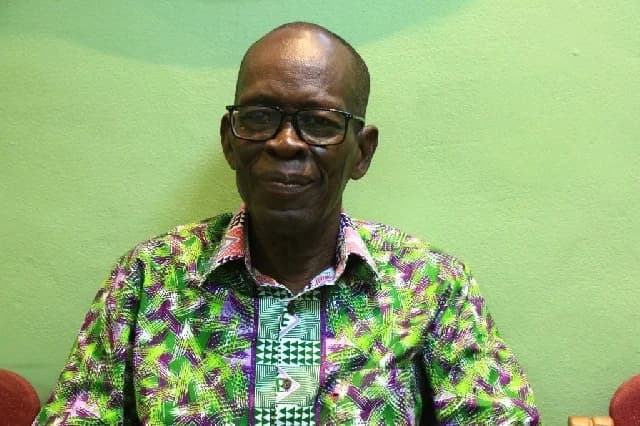
The Government of Ghana has intensified its focus on health infrastructure and financial accountability, with Health Minister Kwabena Mintah Akandoh announcing the disbursement of GH"2.69 billion to the National Health Insurance Scheme (NHIS) in 2025 to clear outstanding arrears. Alongside this, a new directive mandates health agencies to allocate 10% of their Internally Generated Funds for equipment maintenance. While the Ministry addresses health security—reporting 1,038 Mpox cases with a declining infection rate—it is also providing specialized support for victims of recruitment stampedes and seeking sustainable funding for malaria vaccinations following global donor cuts. These moves align with the Health Infrastructure Strategic Plan (2020-2029) to ensure facilities remain operational and well-equipped.
In the legal and security sectors, the state has escalated its crackdown on corruption and violent crime. The charge sheet against former National Service Authority (NSA) Executive Director Osei Assibey Antwi has been amended to 21 counts, including money laundering and theft, with alleged financial losses revised to over GH"431 million. Simultaneously, the Ghana Police Service has arrested a fifth suspect in the mob killing of Liberian IT specialist Austin Tengbeh, a case that has sparked regional protests. Internal police tensions also surfaced as 40 officers petitioned the Deputy Attorney-General over a promotion directive they claim contradicts a Court of Appeal ruling. To further enhance security, the Lands Commission is establishing a specialized desk to flag money laundering in property deals, while the CID has reopened high-profile cold cases involving disappearances and murders.
Technological governance is seeing a significant shift with Communications Minister Samuel Nartey George announcing Cabinet approval for a new nationwide SIM registration drive to correct previous biometric enforcement failures. This initiative will be paired with a restructured 5G deployment framework that removes exclusivity to foster a more competitive spectrum auction. Meanwhile, the Inspector-General of Police defended the withdrawal of the Special Operations Taskforce from Tamale, clarifying that their temporary mission to combat the drug trade had concluded, despite local youth protests demanding a permanent presence to maintain regional safety.
On the international stage, Ghana is leveraging its diplomatic weight to protect its citizens and assets abroad. Foreign Minister Samuel Okudzeto Ablakwa has urged the Commonwealth to condemn a missile attack on Ghanaian UN peacekeepers in southern Lebanon that injured four soldiers. This diplomatic push is echoed by calls from the Ghana Federation of Labour for stronger UN action to prevent global escalation. As tensions rise in the Middle East, the government is monitoring the safety of Ghanaians in conflict zones, while internationally, debates over AI governance and safety continue to brew, exemplified by lawsuits against the US government regarding AI supply chain risks and the UK's condemnation of derogatory AI-generated content.
This story touches markets covered on Anansi Intelligence ↗.
More from politics
Continue exploring similar stories


