••
Ghana Political Landscape: NDC Faces By-Election Defiance as Supreme Court Weighs Cannabis Regulations
•2 min read•6 sources
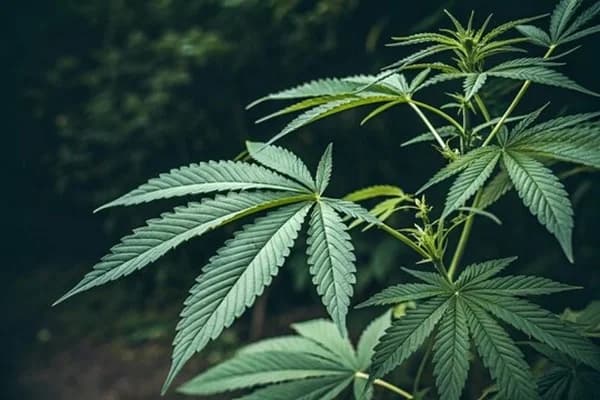
The political landscape in Ghana is witnessing a period of significant activity, marked by both a high-stakes by-election in Ayawaso East and a landmark legal challenge at the Supreme Court regarding the nation’s industrial cannabis framework. The National Democratic Congress (NDC) has adopted a firm stance against internal dissent as it prepares for the upcoming polls scheduled for March 3, 2026. Simultaneously, the government faces scrutiny over its agricultural policies, with local farmers demanding more equitable access to the burgeoning hemp industry through legal action. In Ayawaso East, the NDC has sharply criticized former member Mohammed Umar Sanda for his decision to run as an independent candidate. Anthony Nukpenu, the Greater Accra Regional Organiser, has characterized Sanda’s campaign as a 'political suicide mission,' predicting that the defector will secure less than 2% of the total vote. To ensure a unified front, the NDC has expelled Sanda and warned its members that supporting his campaign will lead to immediate disciplinary action. The party remains focused on its endorsed candidate, Mohammed Baba Jamal Ahmed, aiming for a decisive victory of at least 75% to consolidate its legislative influence and demonstrate party loyalty. While the NDC manages its internal cohesion, a significant legal battle is unfolding in the Supreme Court. Mariam Alhassan, a farmer based in Techiman, has filed a suit challenging the government’s regulatory framework for industrial cannabis cultivation. The plaintiff alleges that current licensing fees and entry requirements are 'extortionate' and unconstitutional, effectively barring ordinary Ghanaians from participating in the legal hemp trade. The suit, which names the Ministry for the Interior and the Narcotics Control Commission as defendants, argues that these regulations violate the 1992 Constitution’s provisions for administrative justice under Articles 17, 23, 36, and 174. Alhassan is advocating for a tiered regulatory system that would allow smallholder farmers to access a market currently dominated by high-capital interests. These two developments reflect a broader tension in Ghanaian governance between centralized authority and individual participation. While the NDC asserts its authority to maintain political order in Ayawaso East, the Supreme Court case highlights a growing demand for economic inclusivity in new industrial sectors. As the March 3 by-election approaches and the legal proceedings progress, the outcomes will provide critical indicators of how Ghana’s political and legal institutions navigate the complexities of party discipline and economic justice.
This story touches markets covered on Anansi Intelligence ↗.
Related topic
NDC (National Democratic Congress): Latest News →More from politics
Continue exploring similar stories


