••
Ghana National Research Fund Launch Sparks Broader Calls for Educational and Institutional Reforms
•3 min read•6 sources
The Ghana Young Academy (GhYA) has formally welcomed the operationalization of the Ghana National Research Fund (GNRF), a landmark initiative established under the 2020 GNRF Act to catalyze innovation across health, agriculture, energy, and education. Released in June 2026, the Academy’s statement underscores the fund's potential to transform the national research landscape while calling for dedicated, transparent, and merit-based pathways for early- and mid-career researchers. GhYA emphasized that consistent investment in scientific inquiry is vital for Ghana’s future growth and global competitiveness, acknowledging the contributions of stakeholders, including President John Dramani Mahama and Professor Eric Yirenkyi Danquah, in operationalizing the fund.
While funding remains a priority, academic and health institutions are simultaneously highlighting the socio-cultural barriers that impede educational progress. A recent forum hosted by the University of Health and Allied Sciences (UHAS) and the Reckitt Global Hygiene Institute in Hohoe revealed critical findings from a three-year study on menstrual hygiene and adolescent mental health. The research highlighted that persistent stigma surrounding menstruation significantly impacts girls’ psychological well-being and academic performance. Experts at the forum called for a collective effort to normalize menstrual health in schools, urging for increased male support and targeted investments to eliminate the barriers that often force girls to miss vital educational opportunities.
The push for inclusivity also extends to linguistic accessibility within Ghana’s democratic and educational frameworks. During an interdisciplinary symposium co-hosted by Indiana University and the University of Ghana, Professor Joseph Awetori Yaro highlighted a stark disparity: while English remains the official language of governance and higher education, only 20-25% of the population is proficient. This linguistic barrier creates what Yaro described as a "hierarchy of citizenship," limiting access to justice and civic participation for the majority. The symposium advocated for urgent reforms in civic education and the certification of professional interpreters, arguing that true national development is impossible without leveraging indigenous languages and supporting them through technology.
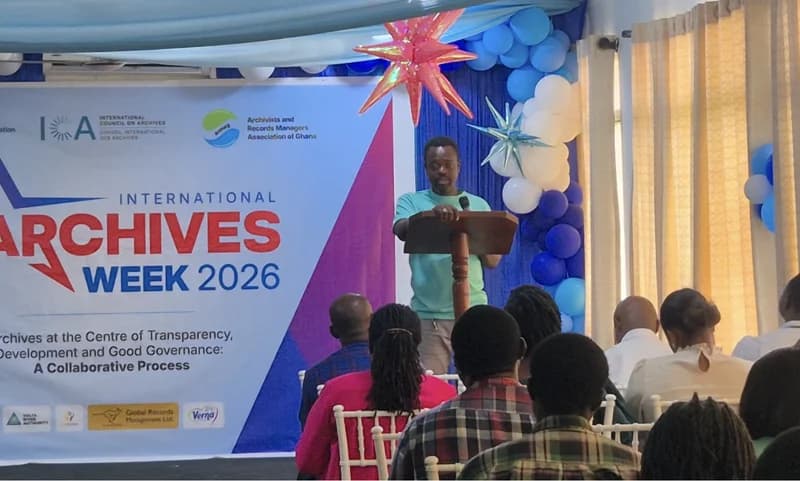
Complementing these calls for social and financial reform, the Public Records and Archives Administration Department (PRAAD) has issued a critical warning regarding the technical infrastructure supporting national institutions. Mr. Josiah Okyere Gyimah cautioned against "automating chaos," noting that digital transformation alone cannot resolve poor recordkeeping practices. PRAAD stressed that before investing in electronic records management systems, organizations must establish robust governance structures, including classification schemes and staff training. As Ghana moves toward a more research-driven and digitally integrated future, the collective message from these academic and administrative bodies is that progress requires a holistic approach that balances funding with social inclusivity and institutional integrity.
This story touches markets covered on Anansi Intelligence ↗.
More from education
Continue exploring similar stories


