••
Ghana Reaffirms National Identity and Heritage During 2026 Culture Week Celebrations
•3 min read•11 sources
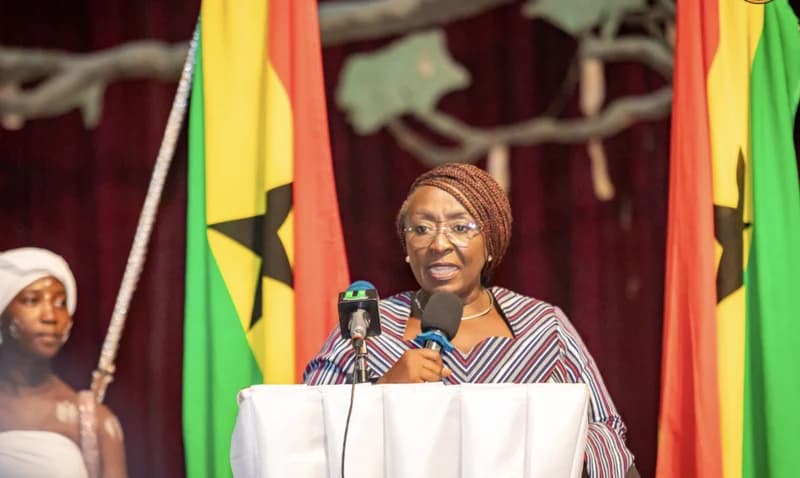
Ghana has launched a comprehensive celebration of its national identity and heritage as the country approaches its 69th independence anniversary. Centered around 'Ghana Culture Week 2026' and the theme 'Resetting Ghana’s Tourism, Culture and Creative Ecosystem,' the festivities have drawn together government officials, traditional icons, and educational institutions to emphasize the importance of preserving the nation’s unique cultural footprint. Abla Dzifa Gomashie, the Minister of Tourism, Culture and Creative Arts, reaffirmed the government's commitment to protecting indigenous artifacts and announced plans for a revised Ghana Cultural Policy aimed at stimulating growth in the creative sector while ensuring the restoration of illegally acquired cultural items.
One of the primary highlights of the celebration is the 'Taste 69@69' festival, organized by the Ghana Tourism Authority (GTA). This culinary showcase features 69 traditional Ghanaian dishes, intended to position the country as a premier destination for gastronomy tourism. GTA CEO Maame Efua Houadjeto and Minister Gomashie both underscored the economic potential of culinary tourism, urging local chefs to promote authentic Ghanaian cuisine to international audiences. Alongside these culinary displays, the calabash has been spotlighted as a versatile symbol of Ghanaian resilience and sustainability. Traditionally used in rituals and ceremonies, the dried gourd is being reclaimed by modern fashion designers for eco-friendly accessories, effectively bridging the gap between ancestral tradition and contemporary innovation.
However, the celebrations have also sparked critical dialogue regarding the dilution of local music and societal values. Legendary Highlife musician Gyedu-Blay Ambolley issued a caution to contemporary artists against crowning themselves 'kings' or 'queens' of foreign genres like Reggae or Dancehall. Ambolley emphasized that while collaboration is valuable, it should not come at the expense of Highlife, which remains the bedrock of Ghana's musical identity. This sentiment was echoed by Professor Kwaku Boakye, Vice-Chancellor of Cape Coast Technical University, who warned of a decline in core societal values despite a growing interest in cultural aesthetics. He advocated for the integration of cultural studies into the national education system to ensure that the next generation remains rooted in Ghanaian ethics.
Beyond culture and the arts, the national renewal effort has extended into environmental and civic responsibility. Scientists from the CSIR-Forestry Research Institute of Ghana (CSIR-FORIG) are currently engaging students at technical institutes to advocate for climate action and the protection of the environment against illegal mining and logging. Simultaneously, the Driver and Vehicle Licensing Authority (DVLA) has introduced refresher safety videos across its nationwide offices to promote responsible driving. Together, these initiatives reflect a holistic approach to national development, where cultural pride is viewed as an essential driver for environmental stewardship, public safety, and economic growth as Ghana prepares for its 70th anniversary milestone.
This story touches markets covered on Anansi Intelligence ↗.
More from africa
Continue exploring similar stories


