••
Ghana Advances National Development Through Strategic Enforcement, Resource Management, and Community Resilience
•3 min read•12 sources
Ghana is currently witnessing a multi-sectoral push to bolster national development, ranging from aggressive environmental enforcement to community-led initiatives aimed at food security and public health. On May 28, 2026, The Hunger Project Ghana commemorated World Hunger Day in the Eastern Region, highlighting a critical challenge: approximately 12.5 million Ghanaians faced food insecurity in 2025. Under the theme "The End of Hunger Is in Our Own Hands," stakeholders introduced Celemix, a nutritious meal made from local ingredients designed to combat child malnutrition. This initiative emphasizes self-reliance and the empowerment of women through skill development, reflecting a broader national shift toward community-driven solutions for systemic issues.
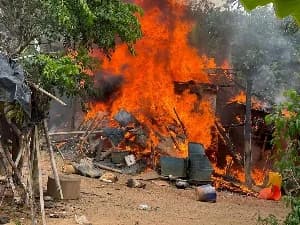
In parallel with social efforts, the National Anti-Illegal Mining Operations Secretariat (NAiMOS) recently concluded a high-impact five-day campaign in the Wassa Amenfi Central District. From May 23 to May 27, 2026, the task force dismantled over 90 illegal mining machines and exposed massive environmental devastation, including the destruction of forests and the pollution of vital river bodies. This enforcement is mirrored in the maritime sector, where the Fisheries Enforcement Unit (FEU) arrested two inshore operators at Tema Harbour for operating without valid licenses. These actions underscore the government's intensified stance against illegal, unreported, and unregulated (IUU) activities that threaten Ghana’s natural resources and public health.
Infrastructure and safety remain central to this developmental narrative, as demonstrated by recent private sector interventions and security forums. Republic Bank (Ghana) PLC recently inaugurated two mechanized borehole projects in Pwalugu and Dingoni to address chronic water scarcity in the Upper East and Northern Regions. These projects align with the United Nations Sustainable Development Goal 6, aiming to reduce the domestic burden on women and children. Simultaneously, in Suhum, Engage Now Africa and Ensign Global University led a transformative forum on human trafficking, training 85 local stakeholders and security officials to recognize exploitation signs and support survivors, thereby strengthening the community's protective fabric.
Institutional partnerships are also evolving to ensure long-term industry sustainability and gender equity. The Minerals Income Investment Fund (MIIF) and Women in Mining Ghana (WIM Ghana) have entered discussions to boost female participation in the extractive sector through leadership training and mentorship. This focus on responsible industry practices is further echoed by calls for "waste valorisation" in the circular economy, where entrepreneurs are being urged to adopt production methods that minimize pollution. By integrating environmental responsibility with economic innovation, these efforts aim to move beyond traditional business models toward a more holistic, sustainable future.
Together, these developments illustrate a nation in transition, balancing the immediate need for resource protection with the long-term goals of social equity and economic self-sufficiency. Whether through the destruction of illegal mining equipment or the provision of clean water and nutritional training, the common thread is a commitment to locally-led transformation. Moving forward, the success of these initiatives will depend on sustained collaboration between the government, private sector, and local communities to ensure that progress remains inclusive and environmentally sound.
This story touches markets covered on Anansi Intelligence ↗.
More from africa
Continue exploring similar stories


