••
Ghana Unveils Ambitious 10-Year National AI Strategy to Drive 500 Billion Cedi GDP Growth by 2035
•2 min read•4 sources
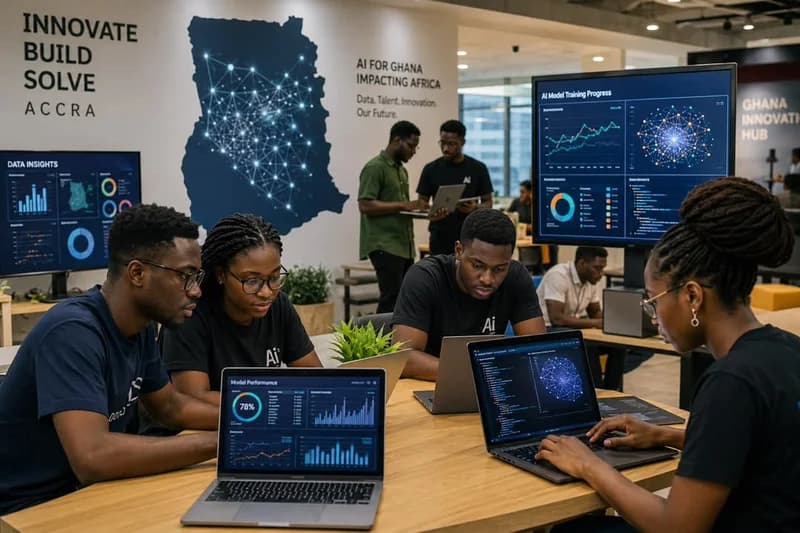
The Government of Ghana has officially launched its National Artificial Intelligence (AI) Strategy and Roadmap (2025–2035), a comprehensive 10-year blueprint designed to position the nation as a leading digital innovation hub in Africa. Unveiled on April 24, 2026, the strategy seeks to harness the transformative power of AI to accelerate the digital economy while proactively addressing global concerns regarding technological job displacement. By prioritizing local development and strategic investment, the government aims to create a robust ecosystem that transitions Ghana from a consumer of technology to a primary producer of AI-driven solutions.
At the heart of this roadmap are ambitious economic and human capital targets. The government projects that AI will contribute approximately 500 billion cedis to Ghana’s Gross Domestic Product (GDP) by 2035. To support this growth, the strategy outlines a massive scale-up in technical expertise, aiming to develop a workforce of 10,000 mid-to-senior AI researchers and 1 million AI-ready youth by 2033. This "producer-led" approach encourages young Ghanaians and local entrepreneurs to build and own the tools they use, ensuring that the technology is tailored to the specific socio-economic needs of the country.
The strategy identifies healthcare, agriculture, financial services, and public administration as the primary sectors poised for AI transformation. Ghana is already building on a solid foundation, which includes Google’s AI Research Center in Accra and a vibrant landscape of startups using machine learning to solve local challenges. However, the roadmap also acknowledges current gaps, specifically the fragmentation within the tech ecosystem. By implementing practical recommendations for educational reforms and private-sector collaboration, the initiative aims to bridge these divides and create a more cohesive environment for innovation.
Looking ahead, the success of the National AI Strategy hinges on the active participation of Ghana’s youth and immediate action from all stakeholders. While the transition may bring shifts in the labor market, the strategy emphasizes that the focus remains on job creation and empowering the next generation to lead the technological shift. Authors and facilitators of the roadmap underscore the urgency of building skills now to ensure that Ghana does not merely witness the AI revolution but actively shapes its future to benefit the local population.
This story touches markets covered on Anansi Intelligence ↗.
Live rates
Dollar to cedi rate →More from technology
Continue exploring similar stories


