••
Ghana and Namibia Advance Climate-Resilient Agriculture and Sustainable Supply Chain Initiatives
•2 min read•4 sources
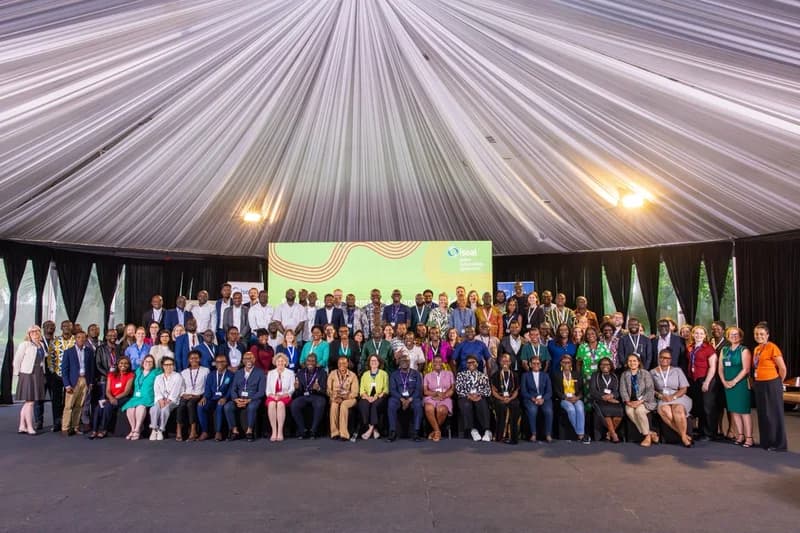
African nations are increasingly prioritizing climate resilience and sustainable agricultural practices to safeguard food security and international trade. At the forefront of this movement, Ghana recently hosted the ISEAL Global Sustainability Symposium in Accra, while Namibia launched a significant multi-million dollar program to combat recurring drought. These initiatives highlight a shifting continental focus toward integrating technological innovation, forest governance, and community-led financial instruments to address the dual challenges of climate change and environmental degradation.
In Ghana, the Wassa Amenfi Cocoa Landscape Initiative (WACLI) has entered a critical monitoring and evaluation phase in the Asankragwa region. Led by the organization Preferred by Nature and supported by the Ferrero Group and Danida Green Business Partnerships, the five-year project targets 5,000 cocoa farmers. The initiative promotes regenerative farming and cocoa agroforestry to combat deforestation while introducing Village Savings and Loans Associations (VSLAs). These financial tools are proving essential for farmers, particularly women and youth, by providing the necessary capital to invest in sustainable land management and diverse income-generating activities.
Ghana's policy leadership was further showcased during the ISEAL Symposium, where officials and producers connected global sustainability standards to local agricultural realities. Keynote speakers, including Dr. Francis Baah and cocoa producer Juliana Asiedu, emphasized the importance of traceability and forest governance in maintaining Ghana’s competitive edge in the global cocoa market. The symposium underscored that coordinated action between governments, businesses, and producers is vital for building resilient supply chains that can withstand both economic shifts and environmental pressures.
Simultaneously, Namibia has launched a $2.99 million agricultural support program specifically designed to enhance drought preparedness across five vulnerable regions. With technical assistance from the Food and Agriculture Organization (FAO), the program introduces water-efficient technologies such as solar-powered irrigation and hydroponics. Beyond equipment, the initiative provides agricultural inputs like seeds and fertilizers alongside intensive training for farmers. This systematic approach aims to transition traditional farming systems into climate-resilient models capable of sustaining livestock and crop production during severe dry spells.
Collectively, these efforts across West and Southern Africa represent a comprehensive strategy to harmonize economic growth with environmental conservation. By combining high-level policy discussions, such as those at the ISEAL Symposium, with grassroots interventions like WACLI and Namibia’s drought program, these nations are setting a blueprint for sustainable development. The success of these programs will depend on continued stakeholder engagement and the effective scaling of financial and technological innovations to reach the most remote farming communities.
This story touches markets covered on Anansi Intelligence ↗.
Live rates
Dollar to cedi rate →More from africa
Continue exploring similar stories


