••
Global Ambitions and Cultural Integrity: Ghana’s Music Stars Redefine Success on the World Stage
•3 min read•11 sources
The African music landscape is witnessing a profound shift as leading artists prioritize cultural authenticity and strategic branding over Western validation. Nigerian superstar Davido recently signaled this new direction, stating he is no longer seeking Grammy awards or external validation, opting instead to focus on authentic African sounds that resonate deeply with his core fanbase, particularly in South Africa. This sentiment is echoed by Ghanaian legends like Okyeame Kwame, whose upcoming 50th birthday celebration, 'OK @50,' highlights a career built not just on hit songs like 'Made in Ghana,' but on advocacy for education, climate change, and national pride. Similarly, KiDi’s rise serves as a masterclass in strategic positioning; by crafting a 'gentleman of Afrobeats' persona and leveraging platforms like TikTok for his hit 'Touch It,' he has balanced local authenticity with international appeal.
Creative control and cultural exchange are also taking center stage as Ghanaian artists assert their influence globally. Rapper Amerado is set to release 'Game Over' on March 27, 2026, a pan-African collaboration with Fuse ODG that celebrates African resilience. In a bold move for creative independence, singer Moliy recently clarified her decision to deny dancehall veteran Shaggy the clearance to use her 'Shake It To The Max' riddim, citing a desire for a more authentic creative direction rather than a lack of cultural understanding. Meanwhile, Mula Gad is preparing his 'Globetrotter EP' and a world tour starting in China this April, aiming to use music as a bridge for cultural exchange and to inspire young Africans to explore global opportunities.
On the international front, the industry is grappling with the evolution of rivalries and the return of iconic figures. Rap mogul Jay-Z recently critiqued the high-profile feud between Drake and Kendrick Lamar, warning that while competition can fuel creativity, personal attacks and social media amplification risk dragging families into conflict and hindering cultural progress. In more optimistic news, fans of Celine Dion are awaiting confirmation of her potential comeback. Rumors and promotional posters suggest the legendary vocalist may return to the stage at the Paris La Défense Arena in late 2024, marking her first live performances since her health-related hiatus began in 2020.
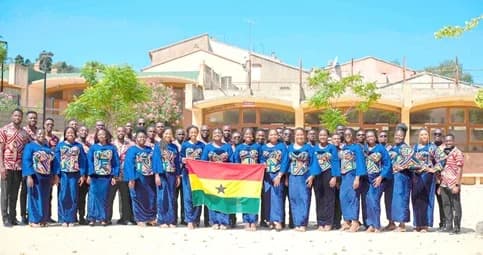
Closer to home, the Ghanaian arts scene is preparing for a landmark 2026 season characterized by spiritual depth and choral excellence. The Harmonious Chorale-Ghana has unveiled a calendar featuring international tours to Poland and Sweden, alongside a grand 80th birthday concert for Rev. Dr. Joyce Rosalind Aryee. Amidst this flurry of activity, gospel musician Carl Clottey has offered a cautionary note to aspiring artists, advising that true longevity in the ministry requires a genuine divine calling rather than a pursuit of fame. As these diverse narratives converge, they reflect a Ghanaian entertainment industry that is increasingly confident, strategically minded, and deeply rooted in its own cultural identity.
This story touches markets covered on Anansi Intelligence ↗.
More from entertainment
Continue exploring similar stories


