••
Ghana Music Industry Targets Global Milestones: Sarkodie’s O2 Ambition, Female Talent Revivals, and Tribute to Pioneers
•3 min read•3 sources
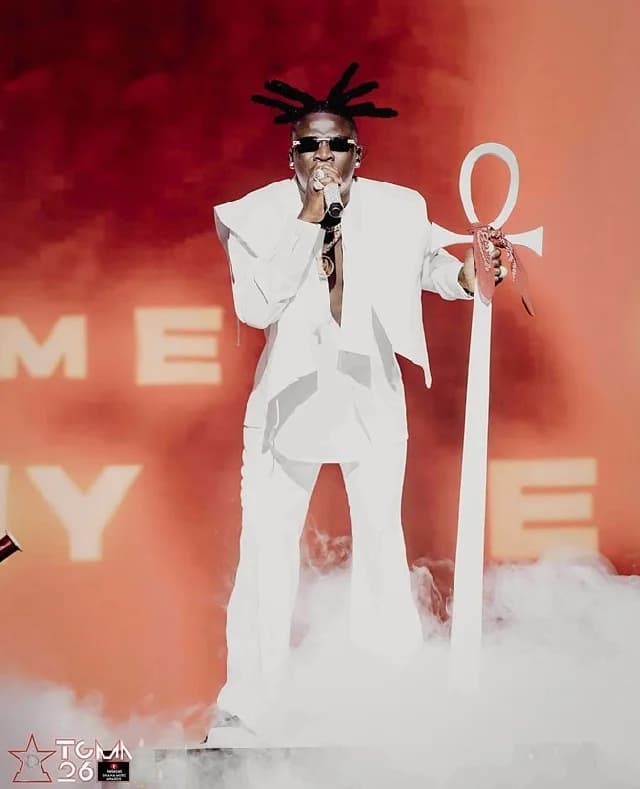
The Ghanaian music industry is witnessing a significant surge in both global ambition and internal structural reform as top artists and industry leaders set new benchmarks for the coming years. From rap icons setting their sights on legendary international stages to organizers addressing long-standing gender disparities, the landscape is evolving rapidly. At the heart of this transformation is a commitment to professional unity and a deep-seated respect for the pioneers who paved the way for modern commercial success.
Rap legend Sarkodie has set a high bar for 2027, announcing plans to host his flagship Rapperholic concert at London's iconic O2 Arena. This ambitious goal follows a historic and successful performance at the Royal Albert Hall, which coincided with Ghana’s Independence Day celebrations. In a notable display of industry solidarity, Afro-Dancehall star Stonebwoy has publicly backed the move, urging Ghanaians to support Sarkodie's vision despite skepticism regarding the venue's large capacity. Stonebwoy’s endorsement serves as a rallying call for national unity as Ghanaian artists strive for greater international recognition.
Simultaneously, efforts are underway to ensure the industry's future is more inclusive through the revival of legacy platforms. Theresa Oparebea Ayoade, CEO of Charterhouse Productions, has hinted at the return of the influential music reality show, 'Stars of the Future,' with a new focus exclusively on female talent. Dormant since 2011, the show's potential revival aims to remedy the systemic gender imbalance in the creative arts. Through the Charterhouse Africa Creative Foundation, the initiative seeks to elevate women who face disproportionate hurdles, ensuring that future industry awards and airwaves reflect a more balanced representation of Ghanaian talent.
While the industry looks forward, contemporary stars like Edem are ensuring that the linguistic and cultural roots of the movement are not forgotten. In a heartfelt tribute, Edem recently honored Hiplife veteran Tsikago, crediting him as the pioneer who first introduced the Ewe language into Ghanaian rap. Recalling the influence of Tsikago’s hit 'Davi Medekuku' during his primary school days, Edem acknowledged how these early sounds inspired his own career and a whole generation of Ewe-language rappers. Tsikago, in turn, expressed gratitude to Edem for popularizing and sustaining the movement on a national scale.
These developments collectively paint a picture of a vibrant and self-aware entertainment sector. The push for global dominance at venues like the O2 Arena, the strategic focus on female empowerment through specialized talent hunts, and the preservation of heritage through historical tributes all point toward a robust ecosystem. As Ghana’s creative exports continue to gain traction abroad, the industry appears focused on building a sustainable, inclusive foundation that honors its past while aggressively pursuing a global future.
This story touches markets covered on Anansi Intelligence ↗.
Related topic
Sarkodie: Latest News & Updates →More from entertainment
Continue exploring similar stories


