••
Ghana Confronts Growing Climate Vulnerability Amidst Devastating Mudslides, Flash Floods, and Calls for Global Finance Reform
•2 min read•38 sources
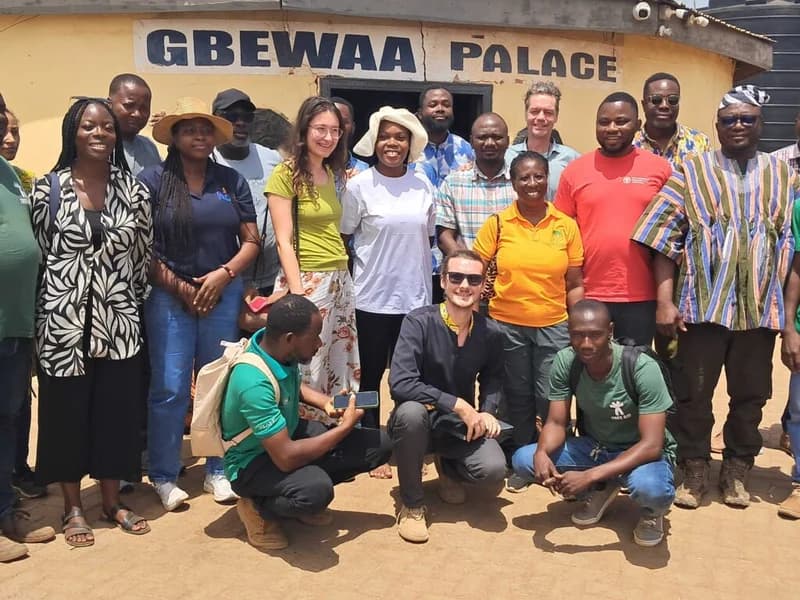
Recent heavy rainfalls have triggered a series of environmental disasters across Ghana, most notably a significant mudslide in the Adaklu-Helekpe community and widespread flooding in the capital, Accra. In Adaklu, Minister for Roads and Highways Kwame Governs Agbodza visited the scene where a landslide from Adaklu Mountain buried five houses and nine vehicles, claiming nearly 50 livestock. While no human fatalities were reported, two residents were rescued from the debris and treated at Ho Teaching Hospital. Simultaneously, severe Tuesday evening downpours submerged major parts of Accra, including Kaneshie and Santa Maria, causing massive traffic congestion and highlighting the persistent failure of the city’s drainage and sanitation infrastructure. Similar flash floods hit Cape Coast, disrupting businesses and prompting residents to demand comprehensive flood management solutions from local authorities.
These incidents have reignited urgent discussions regarding land use, environmental management, and the broader economic framework of climate action. In Adaklu, officials emphasized the need to restrict farming activities around unstable mountain slopes to prevent future disasters, recalling a similar rockfall in 2017. Beyond immediate local infrastructure, experts at the Africa Climate Roundtable have called for an overhaul of international climate finance rules. Prof. George Nwangwu and other policy advocates argue that Africa must reform regulatory frameworks to attract investment into local processing industries rather than relying on raw commodity exports. This shift is seen as vital for enhancing the continent's global competitiveness and building the financial resilience necessary to withstand increasing climate-driven shocks.
Efforts to foster long-term sustainability are also gaining momentum through grassroots and industry-wide initiatives. In Tamale, a high-level dialogue recently pushed for expanded agroforestry to combat land degradation and rural poverty, while the JoyNews National Dialogue on youth and climate change highlighted the critical role of young people in policy advocacy. Looking toward the future, Ghana is set to host the 2027 World Cocoa Foundation Partnership Meeting in Accra, where the 'Cocoa Reset' initiative will take center stage. This global forum will focus on climate-smart agriculture and farmer welfare, seeking to bridge the gap between origin-country challenges and global economic resilience. Collectively, these events underscore the multifaceted approach required—ranging from immediate disaster response to systemic financial reform—to navigate the continent's evolving climate landscape.
This story touches markets covered on Anansi Intelligence ↗.
More from africa
Continue exploring similar stories


