••
Africa Economic Outlook: Growth Trends, Diplomatic Missions, and Institutional Reforms Define 2026 Vision
•3 min read•17 sources
Africa is poised for a period of steady economic growth and deepened regional cooperation, according to several recent reports and diplomatic engagements. The 2026 Africa Economic Outlook by Bridgewater Advisors projects consistent growth across the continent, driven by macroeconomic stability and domestic demand. Specifically, West Africa is forecasted to maintain a GDP growth rate of 4.7% through 2025, bolstered by the mining and energy sectors and a significant reduction in inflation. This positive outlook is being complemented by strategic diplomatic efforts, such as high-level meetings between the ambassadors of Ghana and Togo in Washington, D.C., which focused on security, trade, and energy integration. Concurrently, the Ghana Investment Promotion Centre (GIPC) is advocating for stronger ties with Ethiopia to leverage the African Continental Free Trade Area (AfCFTA), identifying agriculture and textiles as key sectors for expansion.
However, sustainable development remains contingent on addressing structural governance issues and improving institutional efficiency. Professor Lord Mawuko-Yevugah recently emphasized the need for urgent reforms to tackle "elite capture" of state institutions, arguing that narrow interests often undermine continental frameworks like AfCFTA. Addressing these governance challenges is seen as vital for ensuring that economic gains are inclusive. In a positive step toward modernization, the National Identification Authority (NIA) in Ghana has celebrated its 20th anniversary and successfully cleared a backlog of over 640,000 Ghana Cards. The NIA is now expanding its operations to various international missions, including those in Spain, South Korea, and Nigeria, aiming to streamline identity management for the diaspora and support digital transformation.
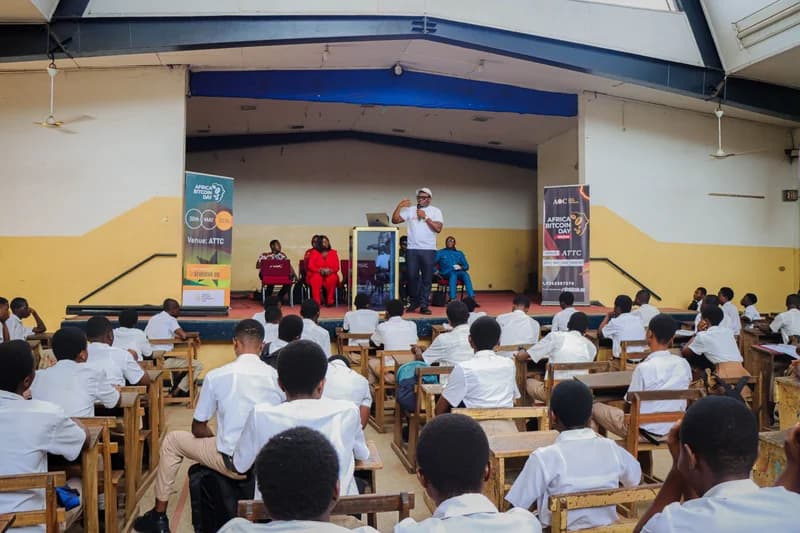
Innovation and skill development are also taking center stage as the continent prepares for the coming years. Ghana’s participation in the International Centre for Genetic Engineering and Biotechnology (ICGEB) highlights a commitment to utilizing biotechnology for public health and food security. On the digital front, events like the 2026 Africa Bitcoin Day in Accra have focused on educating hundreds of students on financial literacy and digital economy opportunities. Furthermore, the upcoming 2026 Legacy Expo is set to celebrate a decade of growth in Africa’s beauty and wellness industry, fostering investment for sustainable African brands. These diverse initiatives reflect a broader movement toward equipping the African workforce with modern skills and creating platforms for sector-specific innovation.
Despite these advancements, leaders continue to highlight the practical challenges facing Africans at home and abroad. Ghana’s Ambassador to the U.S., Emmanuel Victor Smith, recently raised concerns about the living conditions and unemployment rates of migrants in Massachusetts, urging them to prioritize job-seeking and proactive integration. This underscores the complexity of Africa’s current trajectory: while macroeconomic indicators and sector-specific innovations show promise, the continent must still navigate the hurdles of institutional integrity, effective migration management, and the practical implementation of regional trade agreements to ensure long-term stability.
This story touches markets covered on Anansi Intelligence ↗.
More from africa
Continue exploring similar stories


