••
The Burden of Motherhood: Addressing Reproductive Rights, Security, and Safety for Women in Ghana
•3 min read•7 sources
The complex landscape of motherhood in Ghana is currently under intense scrutiny as societal pressures, security lapses in healthcare, and economic realities collide. Following a distressing baby theft incident at Mamprobi Hospital in Accra, the government has moved to strengthen security protocols across health facilities. This case highlights a broader 'kaleidoscope' of reproductive issues, where the profound stigma of childlessness can drive some women to extreme measures, including faking pregnancies or participating in baby theft. These desperate acts stand in stark contrast to the challenges faced by families overwhelmed by unexpected multiple births or those struggling to support large households, illustrating a profound paradox in societal expectations of motherhood.
Domestic tensions regarding family size further complicate these reproductive narratives. In one recent case, a 34-year-old mother of five shared her struggle with a husband demanding ten children despite their cramped living conditions and financial instability. Her decision to use secret family planning led to increased aggression and threats of divorce, highlighting a critical need for female autonomy and better communication within marriages. Such personal accounts underscore the emotional and physical toll that the lack of reproductive choice takes on women, often leaving them caught between traditional expectations and the practicalities of modern survival.
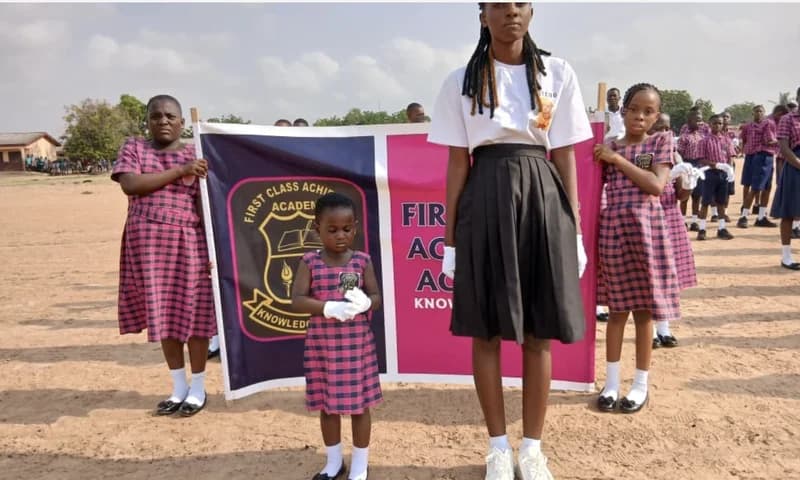
To address these challenges at the root, the Ada West District Education Directorate has intensified policies to combat teenage pregnancy and improve academic outcomes. District Director Dr. Stephen Arthur recently emphasized the Right Age Enrolment Policy, which aims to keep girls in school and reduce dropout rates. With current BECE pass rates at 50.7%—falling short of the 60% target—the directorate is calling for a collaborative effort among parents and community leaders. By focusing on education and preventing early pregnancy, officials hope to provide young women with the tools needed to navigate future reproductive choices and career paths more successfully.
On a global scale, International Women’s Day has served as a platform to highlight the vulnerabilities of displaced and migrant women. The International Organisation for Migration (IOM) recently warned that millions of women lack safe shelter, leaving them exposed to violence and exclusion from essential services. Director-General Amy Pope has called for gender-sensitive housing solutions to ensure dignity and safety. Complementing these calls for systemic change are spiritual appeals for healing; recent public prayers have urged women to seek self-discovery and recovery from past disappointments, fostering a sense of community and personal growth amidst these varied societal and humanitarian challenges.