••
Accountability Probes and Electoral Momentum: Navigating Ghana’s Evolving Political and Fiscal Landscape
•3 min read•39 sources
Ghana’s political landscape is currently defined by a heightened push for transparency and significant shifts in party support following the 2024 general elections. The Minority in Parliament has intensified its oversight role, formally petitioning the Special Prosecutor (OSP), the Commission on Human Rights and Administrative Justice (CHRAJ), and the Criminal Investigations Department (CID) to investigate a controversial renovation contract for the old Bank of Ghana office. The contract, awarded to Deputy Chief of Staff Stan Dogbe by the Ghana Gold Board, has drawn sharp criticism for alleged procurement breaches and potential financial loss to the state. This demand for accountability coincides with the 25th anniversary of the Ghana Anti-Corruption Coalition (GACC), which continues to advocate for integrity and citizen engagement through local accountability networks.
Electoral dynamics are also shifting, with recent March 2026 tracking polls from Global Info Analytics indicating a rise in support for the National Democratic Congress (NDC) to 46%, while the New Patriotic Party (NPP) has seen a decline to 25%. Following the party's 2024 success, NDC National Chairman Johnson Asiedu Nketia has embarked on a 'Thank You Tour' in the Ashanti Region to consolidate gains in traditional NPP strongholds. Amidst this momentum, cultural influences have also played a role; Ghanaian artist Stonebwoy recently claimed his hit song 'Jejereje' contributed to the NDC’s victory by easing political tensions. Meanwhile, speculation remains rife regarding President John Mahama’s upcoming ministerial appointments, particularly the rumored selection of Dr. Zanetor Agyeman Rawlings for the Defence portfolio.
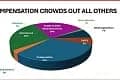
On the economic and governance front, the government is grappling with a ballooning public sector wage bill that consumed 44.8% of non-oil tax revenue in 2025, significantly exceeding the 35% threshold recommended by ECOWAS. Finance Minister Dr. Cassiel Ato Forson revealed that the government was forced to borrow GH¢17 billion to meet salary obligations, prompting calls from the Ghana Federation of Labour to reform the payroll system and eliminate 'ghost names.' These fiscal challenges are exacerbated by the high cost of industrial actions, which cost the state GH¢1.47 billion in 2024 alone. In response, the government is considering a performance-based remuneration framework for state-owned enterprises to enhance efficiency and fiscal sustainability.
Despite these economic pressures and ongoing legal battles—such as the extortion trial involving former NPA Chief Executive Dr. Mustapha Abdul-Hamid and the financial loss case against former NSA official Gifty Oware-Mensah—public confidence in the democratic system remains resilient. A nationwide study by KAS and GIMPA found that 69% of Ghanaians are satisfied with the functioning of their democracy, even as they demand better representation from their Members of Parliament. As the nation moves forward, the focus remains on balancing fiscal reforms, such as the Bank of Ghana’s recent policy rate cut to 14%, with the urgent need for environmental and security accountability, particularly in the fight against illegal mining (galamsey) where MPs are calling for the removal of ineffective security commanders.
This story touches markets covered on Anansi Intelligence ↗.
Related topic
NDC (National Democratic Congress): Latest News →Live rates
Bank of Ghana policy rate →More from politics
Continue exploring similar stories


