••
Ghana Government Intensifies Sector Reforms with Focus on Resource Transparency, Infrastructure Modernization, and Environmental Enforcement
•3 min read•16 sources
The Ghanaian government has launched a multi-sectoral push for enhanced accountability and modernization, headlined by the upcoming appearance of Minister for Lands and Natural Resources, Emmanuel Armah-Kofi Buah, in the Government Accountability Series on July 15, 2026. This drive for transparency is further echoed in Parliament, where Davis Ansah Opoku, Vice Chairman of the Public Accounts Committee (PAC), has demanded a comprehensive, published register of all mining leases granted to local and foreign entities. This initiative aims to strengthen oversight and distinguish legitimate operations from illegal mining. The PAC has already noted progress in this area, commending the Environmental Protection Agency (EPA) and the Minerals Commission for implementing a majority of the Auditor-General’s recommendations on small-scale mining regulation.
In tandem with legislative oversight, the government is introducing stricter environmental and resource management policies. Deputy Minister for Lands and Natural Resources, Alhaji Yusif Sulemana, is advocating for mandatory reclamation bonds for all mining license holders to ensure environmental restoration following extraction activities. To protect the nation’s ecological integrity, TDC Ghana Limited and the Ashanti Regional Minister, Dr. Frank Amoakohene, have ordered the demolition of illegal structures on the Sakumono Ramsar Site and on waterways in Kumasi. These actions, scheduled to begin in mid-July 2026, are intended to mitigate the chronic flooding risks caused by encroachment on sensitive wetlands and unauthorized developments.
The energy and climate sectors are also seeing significant diplomatic and legislative activity. Dr. John Abdulai Jinapor, Minister of Energy and Green Transition, recently met with British High Commissioner Christian Rogg to discuss electricity distribution reforms, national grid expansion, and the establishment of a Renewable Energy and Green Transition Fund. Simultaneously, Speaker of Parliament Alban Sumana Kingsford Bagbin has pledged support for climate resilience initiatives focused on sustainable shea production for rural women in northern Ghana. These efforts align with a broader national strategy to combine environmental conservation with inclusive economic development.
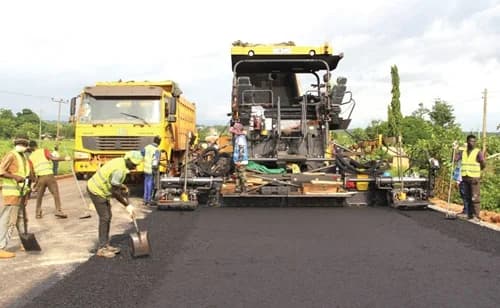
Infrastructure development remains a priority, though not without challenges. Minister of Roads and Highways, Governs Kwame Agbodza, recently cautioned contractors against resource shortages that have delayed critical projects like the Eastern Corridor Road. Meanwhile, the Ghana Armed Forces have initiated a major redevelopment of the Burma Camp barracks to modernize housing for military personnel, a move described as vital for operational readiness. Collectively, these diverse initiatives across land, energy, and infrastructure reflect a unified 'Resetting Ghana' agenda aimed at improving service delivery and restoring public confidence through firm enforcement and transparent governance.
This story touches markets covered on Anansi Intelligence ↗.
More from politics
Continue exploring similar stories


