••
Ghana Heightens Scrutiny of Mining Leases Amid Debates on Local Participation and Governance
•3 min read•17 sources
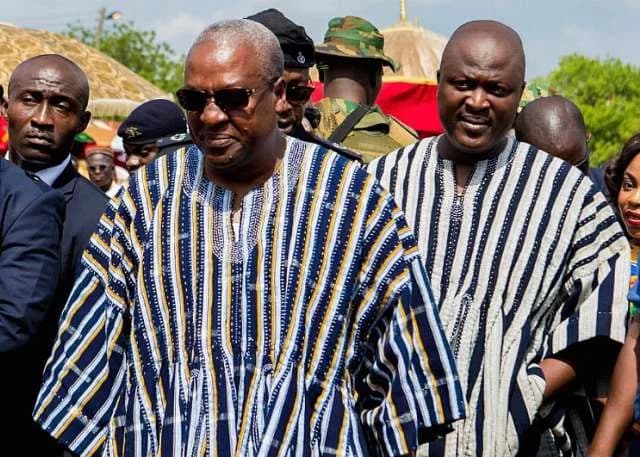
The Ghanaian government has signaled a paradigm shift in its management of the extractive sector, moving toward a policy of "stricter scrutiny" for mining lease renewals while resisting calls for full nationalization. Central to this approach is the upcoming renewal of Gold Fields’ Tarkwa mine lease, which expires in 2027. Isaac Andrews Tandoh, CEO of the Minerals Commission, clarified that while the government remains committed to the partnership, the company must present comprehensive development plans to a technical committee before any ministerial approval. This heightened oversight follows the controversial rejection of the Damang mine lease and aims to ensure that host communities and the state derive more tangible benefits from gold production, which reached 427,000 ounces at Tarkwa in 2025 alone.
Simultaneously, a robust debate regarding the ownership structure of Ghana's mineral wealth has emerged among industry experts and policy analysts. During a series of JoyBusiness Roundtable discussions, experts like Dr. Frank Boateng and Dr. Adu Owusu-Sarkodie argued against total state ownership, warning it could destabilize investor confidence and lead to management inefficiencies. Instead, they proposed strategic mechanisms to increase local participation, such as converting mining taxes into equity stakes and utilizing portions of the Heritage Fund to invest in strategic minerals like gold, lithium, and oil. Experts also urged the government to mandate industrialization targets within mining contracts, shifting the focus from mere extraction to long-term economic transformation and job creation for Ghanaians.
However, the sector continues to face significant governance and legal challenges that threaten to undermine transparency. A petition has been filed with the Commission on Human Rights and Administrative Justice (CHRAJ) against President John Mahama, alleging a conflict of interest regarding his brother Ibrahim Mahama’s takeover of the Damang Mine through Engineers and Planners (E&P). Further controversy has been sparked by policy analyst Bright Simons, who questioned the legality of E&P selling gold from the concession prior to parliamentary ratification of its lease. These issues, combined with high-profile legal battles over illegal mining—such as the ongoing case against Bernard Antwi Boasiako and Akonta Mining—highlight the complex intersection of political influence and regulatory enforcement in the industry.
On the ground, the threat of illegal mining, or galamsey, remains a critical concern for legitimate investors and the environment. Kofreze Construction and Engineering Limited recently reported the forceful takeover of its licensed concession in Wassa Dadieso by illegal miners, warning that such lawlessness could erode investor confidence. To address structural gaps in the industry, the Ghana Chamber of Mines has proposed innovative solutions, such as deploying National Service personnel for geological exploration to enhance state data on mineral reserves. As Ghana seeks to maintain its position as a leading gold producer, the balance between attracting foreign capital, ensuring local equity, and enforcing the rule of law will define the future of the nation's extractive economy.
This story touches markets covered on Anansi Intelligence ↗.
Related topic
John Mahama: Latest News & Updates →Live rates
Ghana gold price →More from politics
Continue exploring similar stories


