••
Ghana Activates Middle East Evacuation Plans as Regional Leaders Respond to Global Tensions and Economic Shifts
•3 min read•17 sources
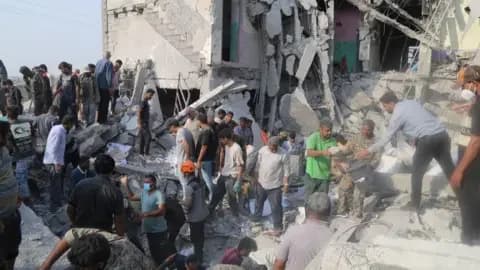
Ghana’s Ministry of Foreign Affairs has confirmed the safety of all Ghanaian nationals currently residing in the Middle East following a series of emergency virtual meetings led by Samuel Okudzeto Ablakwa. Amidst escalating regional tensions involving the United States, Israel, and Iran, the government has officially activated evacuation protocols and compiled a comprehensive database of citizens to facilitate rapid response and consular assistance. While no casualties or injuries among Ghanaians have been reported, diplomatic missions across the region remain on high alert, prioritizing the identification and movement of vulnerable individuals to safer locations as the security situation evolves.
In tandem with these safety measures, diplomatic engagements between Ghana and the United States are intensifying at the regional level. Dr. Frank Amoakohene, the Ashanti Regional Minister, recently held high-level discussions with US Ambassador Rolf Olson to strengthen bilateral ties. These talks focused on collaborative opportunities for the upcoming 2026 FIFA World Cup, educational initiatives such as the EducationUSA College Fair, and potential sister-city partnerships. Dr. Amoakohene further extended an invitation to the US embassy to participate in the Ashanti Trade Expo, highlighting the strategic role of the diaspora in driving regional trade and tourism despite the broader global instability.
Across the continent, other African leaders are taking decisive actions to mitigate the economic and security impacts of the Middle East conflict. In Nigeria, President Bola Tinubu has nominated renowned tax expert Taiwo Oyedele as the Minister of State for Finance to spearhead a radical overhaul of the nation’s fiscal policy. Oyedele’s mandate involves streamlining Nigeria’s tax code from over 60 different levies to fewer than 10, aiming to boost a tax-to-GDP ratio that currently sits at a critically low 10.8%. Simultaneously, Tanzanian President Samia Suluhu Hassan has directed the expansion of national petroleum reserves in Dar es Salaam, a Sh678.6 billion infrastructure project designed to insulate the domestic economy from global fuel price spikes triggered by the ongoing geopolitical volatility.
The human cost of the conflict remains a focal point of international concern following reports of a devastating strike on a girls' school in Minab, Iran, which allegedly resulted in over 160 casualties among students and staff. While US officials have denied targeting civilian infrastructure, the incident has drawn sharp condemnation from Iranian leadership. In the United States, political rhetoric surrounding the region continues to sharpen, with former President Donald Trump expressing indifference toward Iran’s participation in the 2026 World Cup, characterizing the nation as a "badly defeated country." These developments, coupled with Belgium’s recent diplomatic endorsement of Morocco’s autonomy plan for the Sahara, underscore a period of profound realignment in international relations and regional security architecture.
This story touches markets covered on Anansi Intelligence ↗.
More from politics
Continue exploring similar stories


