••
Ghana in Mourning: From the Shadows of the May 9 Stadium Disaster to Recent Local Tragedies
•3 min read•8 sources
As Ghana observes the somber anniversary of the May 9, 2001, Accra Sports Stadium disaster, a series of recent tragedies has once again brought issues of public safety and social welfare to the forefront of national discourse. The historical remembrance of the 126 football fans who perished due to police crowd control failures 25 years ago coincides with a fresh wave of grief in the Central and Ashanti Regions. In Ayanfuri, the traditional community is mourning the loss of Nana Kwabena Okyere, the Mmratehene, who accidentally shot himself on May 9, 2026, while brandishing a pump-action gun during a funeral display. This tragic accident, captured on social media, underscores the inherent dangers of certain traditional practices involving firearms and the urgent need for stricter safety protocols during communal gatherings.
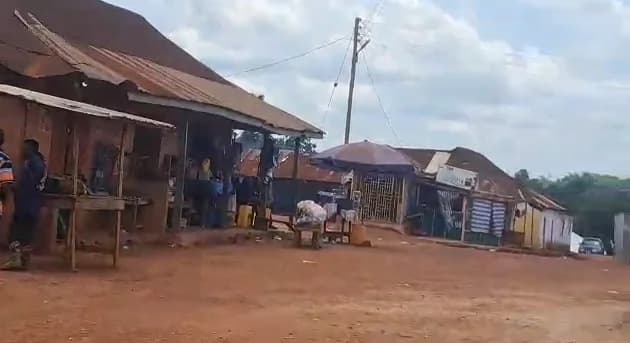
Simultaneously, the Adansi North District is grappling with the sudden death of a 46-year-old farmer in Adomanu, who was reportedly struck by lightning during a heavy downpour. Witnesses allege the victim was in his room using his mobile phone when the strike occurred around 6:30 PM, prompting local leaders, including the regent Nana Wireko Kyenkyehene, to issue urgent warnings. The community is now calling for the widespread installation of lightning arresters in homes and increased public education on weather-related safety. These incidents collectively highlight a vulnerability to both human error and natural hazards that continue to claim lives across the country.
Beyond physical safety, social and spiritual vulnerabilities have also come under scrutiny following disturbing allegations from Agona Swedru. Agnes Asomani, a 17-year-old, has publicly accused a local clergyman, Pastor Doctor Worth, of sexual exploitation and failing to provide the spiritual healing she sought for alleged witchcraft. While the pastor has denied all allegations and claims the girl has been healed, the case has sparked a wider conversation regarding the protection of minors and the oversight of spiritual rehabilitation centers. This situation mirrors the unresolved calls for accountability seen in the May 9 stadium disaster legacy, where many families still feel the need for systemic changes in spectator safety and judicial resolution.
These disparate events—ranging from historical stadium stampedes to freak weather occurrences and allegations of clerical abuse—point to a critical need for systemic reform in Ghana’s safety and social frameworks. Whether it is improving stadium infrastructure, enforcing firearm safety in traditional settings, or protecting vulnerable youths from exploitation, the recurring theme remains a demand for accountability and proactive protection. As the nation reflects on past heartbreaks and current losses, the call for improved safety regulations and community awareness remains the primary focus for local and national leaders alike.
This story touches markets covered on Anansi Intelligence ↗.
More from africa
Continue exploring similar stories


