••
Ghana Advances Healthcare Infrastructure and Maternal Outcomes Amidst Rising Chronic Disease Burden
•3 min read•11 sources
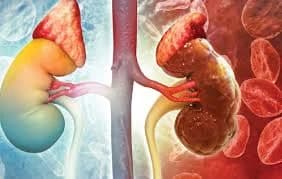
Ghana’s healthcare landscape is currently defined by a dual reality: significant regional strides in maternal and neonatal health contrasted with a burgeoning crisis in non-communicable diseases. In a recent national performance review, the Ahafo Region emerged as a leader in healthcare quality for the 2025 service year, achieving a high holistic score of 4.25. Under the leadership of Dr. Akosua Agyeiwaa Owusu-Sarpong, the region recorded a substantial increase in family planning coverage—rising from 53.7% to 63.5%—and skilled delivery rates. These improvements have directly contributed to a reduction in neonatal deaths and stillbirths, signaling a positive shift in the country's efforts to meet global maternal health standards. This regional success is bolstered by international collaborations such as the SNIP-AFRICA initiative, where partners recently gathered in Accra to strengthen research on severe neonatal infections, focusing on clinical surveillance and capacity building to enhance newborn survival across the continent.
However, this progress is threatened by a 'silent epidemic' of chronic conditions. Health specialists, including Physician Specialist Dr. Mensah Amoah, have raised alarms over the prevalence of chronic kidney disease (CKD), which now affects approximately 13% of Ghana's adult population—roughly four million people. Compounding this is a rising hypertension rate, with research indicating that 30% of Ghanaians aged 20 and older are living with the condition, many of whom remain undiagnosed due to a lack of symptoms. Untreated hypertension and late-stage CKD detection are driving up the demand for expensive, long-term treatments like dialysis. Experts emphasize that lifestyle changes, regular urinalysis, and blood pressure screenings are critical to preventing these diseases from reaching Stage Five, where treatment options become limited and prohibitively costly.
To address the immediate needs of renal patients, the Ghana Medical Trust Fund (GMTF) has spearheaded a critical expansion of dialysis services in the Bono and Bono East regions. Recent donations of dialysis machines to the Holy Family Hospital in Techiman and the Sunyani Teaching Hospital aim to alleviate the burden on patients who previously had to travel long distances for life-saving care. Hospital officials and regional ministers have hailed these interventions as timely, particularly for patients with infectious diseases who require specialized renal support. As the nation scales its infrastructure, there is also a growing call to honor the foundations of the profession. The legacy of pioneer nurses like Mrs. Dzagbele Matilda Asante, who shaped the healthcare system during the Windrush era and beyond, serves as an inspiration for the next generation of healthcare professionals tasked with navigating these modern public health challenges.
This story touches markets covered on Anansi Intelligence ↗.
More from africa
Continue exploring similar stories


