••
Health and Human Rights in Focus: From Ghana’s Maternal Care Initiatives to South Africa’s Ritual Safety Crisis
•3 min read•9 sources
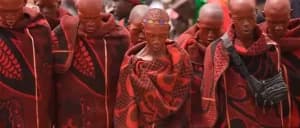
Across the African continent, a series of health and human rights developments are highlighting both significant progress and tragic systemic failures. In Ghana, the Ghana Health Service has secured a 13 million USD partnership with the Korea International Cooperation Agency (KOICA) to drastically reduce maternal and newborn mortality. This 'KOICA-RAMCA Network of Practice' project targets the Ashanti, Eastern, and Central regions over the next five years, focusing on training midwives and nurses in primary healthcare settings. Simultaneously, South Africa is grappling with a national outcry following the deaths of at least 48 young men during traditional initiation ceremonies, a crisis that underscores the dangerous intersection of cultural rites and public safety. These events, alongside the passing of renowned peace advocate Nicholas “Fink” Haysom, paint a complex picture of a continent striving for modernization while navigating deep-rooted societal challenges.
The investment in Ghana's primary healthcare through KOICA aims to provide clinical mentorship and essential supplies to manage complications locally, thereby reducing the pressure on overstretched district hospitals. This intervention comes at a critical time, as viral footage from the Korle Bu Teaching Hospital recently exposed the severity of Ghana’s 'no-bed syndrome,' showing patients forced to receive care on ward floors despite government mandates against turning people away. This strain is further evidenced in the Kpandai District, where officials have raised alarms over a surge in HIV cases—recording 93 infections in just 14 months—ranking it third in prevalence in the Northern Region and prompting urgent calls for community-led awareness and better parental oversight.
In Southern Africa, the heavy toll of traditional circumcision rites has sparked renewed demands for stringent government oversight. With 48 deaths recently recorded and over 470 fatalities cited over the past five years, health officials point to poorly trained practitioners, dehydration, and unsanitary conditions at illegal initiation schools as primary killers. While traditional leaders defend the cultural significance of these ceremonies, families of victims are advocating for stricter safety protocols to prevent further loss of life. Amidst these health crises, the continent also mourns the death of Nicholas “Fink” Haysom, the 73-year-old anti-apartheid activist and UN special representative. Haysom’s legacy in drafting South Africa’s post-apartheid constitution and his peacebuilding efforts in Sudan and Burundi serve as a reminder of the enduring fight for justice and human dignity across the region.
Despite these daunting challenges, localized efforts continue to bridge the healthcare gap for vulnerable populations. In Ghana’s Ho West District, Ghana Medical Relief (GMR) is preparing for its largest-ever medical outreach, targeting 16,000 beneficiaries with free pediatric, urological, and dental services. Supported by local Members of Parliament and traditional leaders, this initiative demonstrates the vital role of stakeholder collaboration in addressing immediate health needs. As African nations navigate the duality of advancing medical infrastructure and reforming traditional practices, the collective focus remains on ensuring that both institutional care and cultural traditions prioritize the preservation of life and the advancement of public health.
This story touches markets covered on Anansi Intelligence ↗.
Live rates
Dollar to cedi rate →More from africa
Continue exploring similar stories


