••
Ghana Spearheads National Reforms in Marine Conservation, Social Reintegration, and Professional Education
•3 min read•9 sources
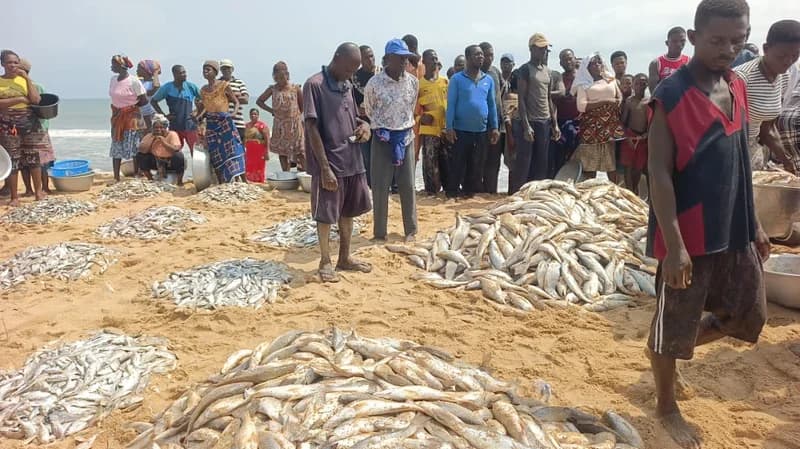
Ghana is embarking on a significant environmental shift as it prepares to launch its first Marine Protected Area (MPA) covering 700 square kilometers. This initiative comes in response to a critical decline in fish stocks, with total catches dropping by over 17% in the last decade due to overfishing, illegal practices, and rising sea temperatures. The crisis has left the livelihoods of approximately 100,000 fishermen in jeopardy and forced the nation to import over 79,000 metric tonnes of fish annually. Local authorities in Shama Municipality and environmental experts emphasize that the success of the MPA depends on rigorous enforcement and deep community involvement to restore marine biodiversity and ensure long-term food security.
On the social front, the Crime Check Foundation (CCF) is set to host Africa’s first National Ex-Convicts Reintegration Conference under the theme 'Rebuilding Lives After Prison.' The event targets a alarming 60% recidivism rate, which is largely attributed to societal stigma and legal barriers preventing former inmates from securing public sector employment. By gathering key stakeholders, the conference aims to advocate for policy reforms and highlight successful reintegration stories, pushing for a national shift in how ex-convicts are perceived and supported. This drive for social reform is underscored by recent domestic challenges, such as the arrest of a mother in the Juaboso District for the severe physical abuse of her daughter, highlighting a parallel need for heightened community vigilance and child welfare protections.
In the sectors of healthcare and higher education, Ghana is taking steps to bridge the gap between academic training and professional demand. The Ghana Armed Forces College of Nursing and Midwifery recently matriculated 533 students out of over 2,400 applicants, underscoring the high demand for military-grade health training. Simultaneously, educators at Kaaf University, including Engineer Ekua Enua Dake and Registrar Dr. Linda Anane Donkor, are calling for increased alumni involvement in curriculum development. They argue that integrating practical job market insights and entrepreneurial skills into academic programs is essential to reducing graduate unemployment and ensuring that students are well-prepared for the technical demands of the modern workforce.
Together, these developments reflect a multifaceted national effort to address structural vulnerabilities in Ghana. From protecting the maritime resources that feed the nation to reforming social systems for the marginalized and enhancing the quality of professional education, the country is focusing on sustainable growth and human development. The success of these initiatives will ultimately depend on the effective collaboration between government agencies, academic institutions, and local communities to create a more resilient and inclusive society.
This story touches markets covered on Anansi Intelligence ↗.
More from africa
Continue exploring similar stories


