••
Protecting Ghana’s Future: Intensified Efforts Combat Malaria Surges, Human Trafficking, and Healthcare Gaps
•3 min read•11 sources
Ghana and the broader African continent are currently navigating a complex landscape of public health and social welfare challenges, marked by a critical push to protect vulnerable populations from disease and exploitation. In Ghana’s Amansie West District, health authorities have sounded an alarm over a significant surge in malaria cases, which rose from 8,000 in 2024 to 10,000 in 2025 among children under five. This spike is largely attributed to abandoned mining pits from illegal activities acting as mosquito breeding grounds. In response, Asanko Gold Ghana Limited has partnered with local authorities to distribute over 2,000 insecticide-treated nets and conduct mass screenings, aligning with the 2026 World Malaria Day goal of moving from control to total elimination. This local struggle mirrors a continental challenge, as health leaders emphasize that 6.7 million children in Africa remain “zero-dose,” lacking basic vaccinations due to gaps in access and equity.
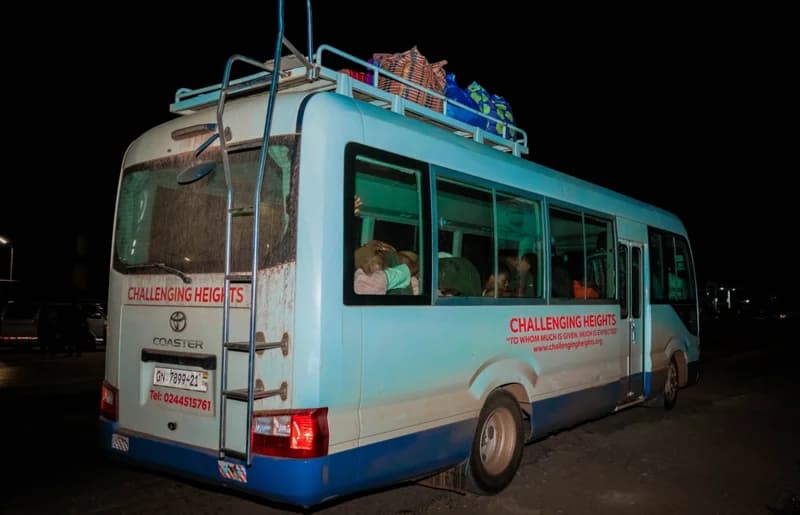
Simultaneously, a major victory for child protection was recorded in the Western North Region, where a joint operation by Challenging Heights and the Ghana Police Service’s Anti-Human Trafficking Unit rescued 42 girls from a cross-border exploitation network. The victims, mostly teenagers aged 13 to 17 trafficked from Nigeria under false promises of employment, were subjected to harsh conditions and financial targets. This operation highlights the persistent threat of human trafficking in the region and the urgent need for increased funding—estimated at GH¢20 million—to dismantle criminal networks and provide rehabilitation for survivors, 36 of whom are currently receiving care at the Challenging Heights Rehabilitation Centre.
Institutional healthcare and social equity also remain at the forefront of the national agenda. In the Upper West Region, Vice-President Professor Naana Jane Opoku-Agyemang has spearheaded an initiative to distribute sanitary pads to 26 schools, addressing the biological barriers that frequently cause girls to miss classes. This effort to ensure gender parity in education is complemented by life-saving medical interventions elsewhere, such as the Children’s Heart Foundation’s recent funding of open-heart surgeries for two children at the Korle Bu Teaching Hospital. Despite these successes, the Foundation notes that over 50 children remain on a waiting list, underscoring a persistent gap in affordable specialized care.
Furthermore, critical infrastructure deficits continue to hamper maternal and mental health services, particularly at the Jamestown Maternity Home. The lack of functional incubators and beds has put both mothers and newborns at risk, prompting a pledge of support from the Australian High Commissioner to Ghana, Berenice Owen-Jones. As community-level initiatives like the Consolidated Bank Ghana (CBG) free health screenings in Kanda work to provide preventive care to the underserved, the overarching narrative remains one of transition. From the African Union’s call for domestic health sovereignty to local efforts to end child trafficking, there is a clear shift toward demanding greater accountability, local manufacturing of health supplies, and sustained investment to secure a healthier and more equitable future for the next generation.
This story touches markets covered on Anansi Intelligence ↗.
Live rates
Ghana gold price →More from africa
Continue exploring similar stories


