••
Ghana Achieves 98% Drop in Malaria Deaths Amid Urgent Rainy Season Health Alerts
•2 min read•6 sources
Ghana has recorded a historic 98% reduction in malaria-related deaths over the last 14 years, a milestone announced by the Ghana Health Service (GHS) during the launch of new preventative campaigns. According to Prof. Samuel Kaba Akoriyea, malaria fatalities plummeted from 3,259 in 2011 to just 52 in 2025, while national prevalence dropped from 27.5% to 8.6% over the same period. This achievement is attributed to the strategic distribution of next-generation insecticide-treated nets (ITNs) and the Seasonal Malaria Chemoprevention (SMC) program, which specifically targets children aged 3 to 59 months. To sustain these gains, the GHS is intensifying partnerships with the Ghana Education Service to ensure consistent net distribution through schools.
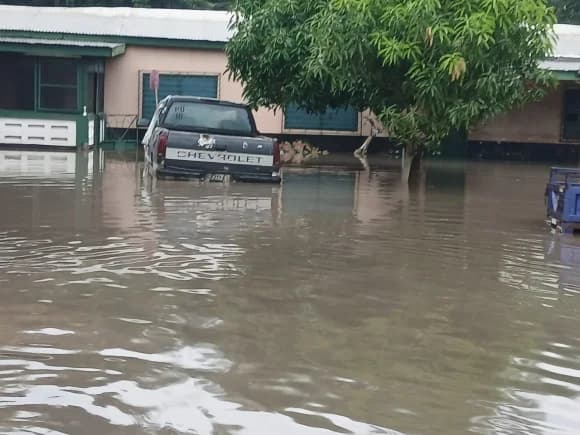
However, this public health progress is being tested by the onset of heavy rains and severe flooding in Accra, described as the most significant since 1995. Health experts, including Dr. Vanessa Apea of the Accra London Health Centre, have issued urgent warnings regarding the potential for cholera, typhoid, and dysentery outbreaks. Contaminated water sources and stagnant pools in flood-hit communities serve as breeding grounds for bacteria and mosquitoes. The public is strongly advised to boil all drinking water, consume only freshly cooked food, and practice rigorous hand-washing to mitigate the risk of waterborne infections.
Beyond infectious diseases, the rainy season has triggered a surge in complications for chronic health conditions. The Focus on Sickle Cell Foundation (FoSCel) has reported a marked increase in hospital admissions and distress calls as the colder, damp weather induces painful sickle cell crises and related infections. FoSCel is advocating for enhanced government support and better healthcare access for these vulnerable patients, emphasizing that the seasonal drop in temperature poses a direct threat to their well-being.
As the rainy season continues, the Ghana Health Service also cautions residents about non-pathogenic risks, such as increased encounters with reptiles displaced by rising floodwaters. While the dramatic decline in malaria deaths represents a landmark success for Ghana’s healthcare system, officials stress that community-level vigilance remains essential. Maintaining environmental hygiene, reporting symptoms early, and adhering to preventive healthcare measures are critical to ensuring that the current weather conditions do not reverse the hard-won improvements in national health outcomes.
This story touches markets covered on Anansi Intelligence ↗.
Related topic
Ghana Education Service (GES): Latest News Today →More from health
Continue exploring similar stories


