••
Accountability and Austerity: Ghana’s Political Landscape Defined by Jet Debates, Extradition Battles, and Corruption Probes
•3 min read•38 sources
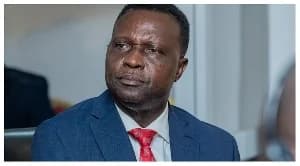
Ghana’s political discourse is currently dominated by a high-stakes struggle over fiscal priority and accountability, as President John Dramani Mahama’s administration faces scrutiny over its travel arrangements while simultaneously launching aggressive investigations into the previous Akufo-Addo government. At the center of this storm is the ‘Private Jet Debate,’ sparked by the President’s use of an aircraft owned by his brother, Ibrahim Mahama, for official foreign trips. While government representatives argue the arrangement saves state funds given the lack of an operational presidential jet, critics and legal experts cite Article 284 of the Constitution to warn of potential conflicts of interest. The Minority Caucus has intensified this criticism, urging the government to suspend plans to acquire a new presidential jet and four helicopters by November 2026, arguing that such expenditures are indefensible while cocoa farmers face delayed payments and a 28.6% cut in producer prices.
Simultaneously, the administration has launched ‘Operation Recover All Loot’ (ORAL), a sweeping anti-corruption initiative targeting several former ministers from the Akufo-Addo era. Government spokesperson Felix Kwakye Ofosu confirmed that over 40 cases are under review, including the Sputnik V vaccine procurement, the Pwalugu Multi-Purpose Dam project, and the ‘World Blue’ judgment debt case. This drive for accountability is bolstered by a recent Ministry of Finance audit, which exposed significant financial irregularities, including a GH¢160 million claim for teacher trainee allowances that auditors found to be non-existent. Additionally, the Minority has called for a full audit of the Bank of Ghana’s ‘Gold for Reserves’ program following a reported $214 million loss, labeling the discrepancy as a systemic failure in national asset management.
Adding a dramatic layer to the political tension is the ongoing legal battle involving former Finance Minister Ken Ofori-Atta. Currently detained in Virginia by U.S. Immigration and Customs Enforcement (ICE), Ofori-Atta faces an extradition request from the Ghanaian government. His legal counsel, Frank Davies, has signaled a vigorous challenge to these efforts, asserting that the extradition process will be contested in court. The situation has drawn sharp commentary from heritage advocates like Kojo Yankah, who expressed disappointment over reports that Ofori-Atta sought permanent residency in the U.S., noting that such a move breaks the tradition of former Finance Ministers remaining in Ghana to face the consequences of their tenure. These developments highlight a growing demand for moral and legal clarity among the Ghanaian public.
As the government navigates these external and internal pressures, structural reforms have become a focal point for long-term stability. The Controller and Accountant-General’s Department Workers’ Union (CAGDWU) is pushing for departmental autonomy to enhance fiscal discipline, despite opposition from other labor groups. Meanwhile, Transparency International Ghana has warned that until legal loopholes in the Right to Information Act and public asset declaration requirements are closed, the nation’s Corruption Perceptions Index will remain stagnant. The confluence of these issues—ranging from the plight of cocoa farmers to the extradition of former officials—underscores a pivotal moment in Ghana’s governance, where the ‘Reset Agenda’ must balance the pursuit of past justice with the immediate economic realities of its citizens.
This story touches markets covered on Anansi Intelligence ↗.
Live rates
Ghana gold price →More from politics
Continue exploring similar stories


