••
Mahama Administration Accelerates Infrastructure Projects Amid Calls for Policy Reform and Accountability
•3 min read•36 sources
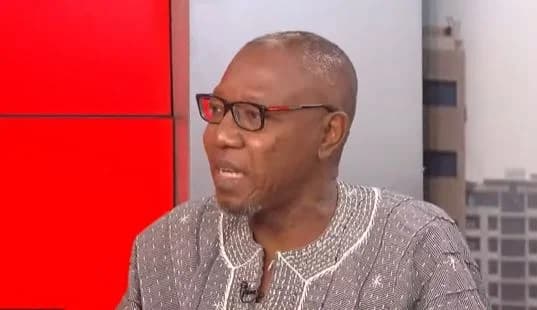
The Ghanaian government has announced a suite of aggressive infrastructure and social development initiatives, led by a commitment to construct 600 new basic school facilities to eliminate the 'schools under trees' phenomenon. Deputy Minister for Education, Clement Apaak, detailed that the project—comprising 200 junior high schools, 200 kindergartens, and 200 primary blocks—is backed by the 2026 Budget to address an infrastructure gap that currently leaves over 5,000 makeshift schools in operation. This education drive is complemented by the launch of enrollment for the National Homeownership Fund (NHF), with Minister Kenneth Gilbert Adjei confirming that affordable housing units in Shai Hills and Tema Community 22 are nearly 98% complete, offering rent-to-own options for low- and middle-income earners.
In the energy and industrial sectors, Minister of Lands and Natural Resources Emmanuel Armah-Kofi Buah has formally endorsed the Petroleum Hub project in the Jomoro Municipality. The hub is envisioned as an industrial center capable of creating 700,000 jobs and enhancing national energy security. However, these developmental strides face hurdles; the nation’s nuclear power project is reportedly in limbo due to a funding gap for critical technical studies. Simultaneously, the Ministry of the Interior has moved to stabilize the security sector by clearing 2025 rent allowance arrears for personnel in the Prison, Fire, and Immigration services, while promising a fully automated payment system by March 2026.
Economic and agricultural policies remain a flashpoint for debate. In the Bono Region, cashew farmers are urging the government to expedite the establishment of the Cashew Development Board to regulate prices and improve livelihoods. This call is echoed in Parliament, where Minority Leader Alexander Afenyo-Markin has advocated for a cocoa producer price review and the prioritization of the 'Agenda 111' hospital projects initiated by the previous administration. On the fiscal front, the Minority Caucus is preparing to introduce the Public Financial Management (Amendment) Bill, 2026, aimed at tightening discipline and preventing the Finance Minister from funding projects outside the National Development Planning Commission's framework.
Adding a critical perspective to the government's fiscal strategy, Associate Professor William Kwasi Peprah has questioned the administration's aggressive gold reserve policy. He warned that targeting a 15-month reserve—surpassing the global 10-month standard—carries significant opportunity costs that could divert 1% of GDP away from immediate social infrastructure like hospitals and schools. As these competing priorities unfold, Minister of State Felix Kwakye Ofosu is scheduled to address the press under the Government Accountability Series to provide further updates on policy performance and transparency. These developments underscore a complex political landscape where rapid infrastructure expansion is being balanced against calls for fiscal prudence and structural agricultural reform.
This story touches markets covered on Anansi Intelligence ↗.
Live rates
Ghana gold price →More from politics
Continue exploring similar stories


