••
Ghana's LGBTQ+ Bill Sparks Political Tension as Government Prioritizes Socio-Economic Recovery
•3 min read•12 sources
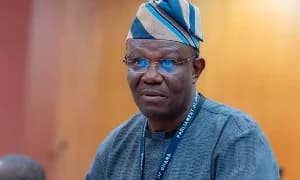
The debate over the Human Sexual Rights and Family Values Bill, popularly known as the anti-LGBTQ+ bill, has reached a fever pitch in Ghana, creating a sharp divide between the current administration and a broad coalition of opposition leaders, clergy, and civil society. Minister for Government Communications, Felix Kwakye Ofosu, has consistently maintained that the legislation is not a primary concern for the government, asserting that President John Dramani Mahama is focused on addressing pressing socio-economic challenges such as job creation, healthcare, and education. Ofosu dismissed calls for an apology from the President regarding the bill's handling, arguing that ordinary Ghanaians are more preoccupied with daily survival than with the nuances of the proposed legislation.
This stance has drawn fierce criticism from the New Patriotic Party (NPP) and prominent public figures. NPP communicators Clinton Baffour and Rev. John Ntim Fordjour have accused the National Democratic Congress (NDC) of political inconsistency, claiming the party championed the bill during the campaign only to sideline it once in power. They point to a CDD-Ghana Afrobarometer survey showing that 93% of Ghanaians disapprove of LGBTQ+ activities as evidence that the bill represents the national will. Journalists like Nana Aba Anamoah and religious leaders, including Methodist Bishop Prof. Kwabena Asamoah-Gyadu, have also challenged the government’s narrative, suggesting that dismissing the bill as a non-priority insults the intelligence and moral values of the population.
Internal pressure within the NDC has also emerged, highlighting the complexity of the issue for the ruling party. Emmanuel Kwasi Bedzrah, the NDC MP for Ho West and a co-sponsor of the bill, has issued a high-stakes ultimatum, vowing not to contest for his parliamentary seat in the 2028 elections if the bill is not passed before the end of the current 9th Parliament. This internal rift coincides with the bill's reintroduction to Parliament following a series of technical reviews and legal scrutiny by the Supreme Court. The NPP continues to urge President Mahama to provide a clear, unambiguous statement on his administration's position to resolve the conflicting messages surrounding the bill.
As the bill moves back into the legislative spotlight with bipartisan support among lawmakers, the government faces a delicate balancing act. While the executive branch remains wary of the potential international and economic implications of the bill, the domestic demand for its passage remains high. The coming months will be critical as Parliament weighs the moral and cultural sentiments of the Ghanaian people against the administration's stated focus on national economic stability and basic needs. The resolution of this debate is expected to have significant implications for the political landscape leading into the next electoral cycle.
This story touches markets covered on Anansi Intelligence ↗.
Related topic
NDC (National Democratic Congress): Latest News →More from politics
Continue exploring similar stories


