••
Ghanaian Leaders Demand Action on South African Xenophobia Amidst National Development and Governance Reforms
•3 min read•47 sources
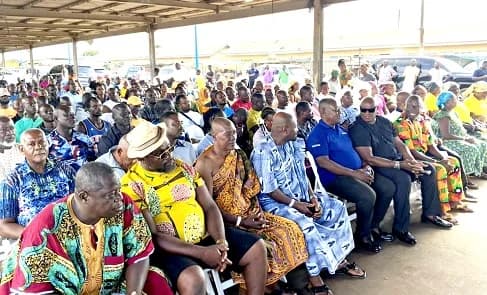
Ghanaian political leaders and civil society organizations have intensified calls for urgent intervention by the African Union and the South African government following a surge in xenophobic attacks against Ghanaians and other African nationals in KwaZulu-Natal and Gauteng. The Minority Caucus in Parliament and the Centre for Global Affairs and Responsible Governance (CGARG) emphasized that these attacks undermine the African Continental Free Trade Area (AfCFTA) and Pan-African solidarity. While South African activist Victoria Africa has defended the actions of local groups, Ghanaian officials have demanded decisive consular support and the arrest of perpetrators. This international tension coincides with the deportation of Bellarmine Mugabe, son of the late Zimbabwean leader, from South Africa following firearms and immigration charges, a move seen as a rigorous enforcement of regional law regardless of political lineage.
On the domestic front, the Ministry of Defence has moved to debunk allegations regarding the 'gifting' of military lands to businessman Ibrahim Mahama, clarifying instead that Mahama donated GH¢120 million to support a Ghana Armed Forces housing redevelopment project at Burma Camp. Simultaneously, a wave of constituency-level development has seen Kojo Oppong Nkrumah commission his ninth school block in Ofoase-Ayirebi, while South Tongu MP Maxwell Lukutor launched the RaSETST agenda to revitalize agriculture and education. In the Volta Region, John Dramani Mahama inspected the $150 million World Bank-supported West Africa Coastal Areas Management Programme (WACA), promising residents of Fuveme and Blekusu that sea defense projects and ecosystem restoration efforts are being fast-tracked to combat devastating tidal wave erosion.
Governance and social accountability remains a focal point as Rev. John Ntim Fordjour, MP for Assin South, demanded a formal probe into the Accra Carnival in Osu, labeling parts of the event as 'grossly indecent' and questioning the role of state institutions in its oversight. This moral debate is mirrored in a legal standoff between Fordjour and transgender musician Angel Maxine, whose lawyers have refused to apologize for satirical political commentary regarding the Human Sexual Rights and Family Values Bill. Meanwhile, the education sector faces localized crises as students at Kadjebi Asato SHS protest unapproved WASSCE fees, and small-scale miners in Manso Kaniago have raised alarms over extortion by individuals impersonating national security operatives.
Looking ahead, the Sekondi-Takoradi Metropolitan Assembly (STMA) is advocating for the establishment of specialized sanitation courts and increased funding to enforce by-laws, as current budget constraints limit waste management spending to only 10% of available funds. In the agriculture and fisheries sectors, the government has announced a 2026 closed fishing season exemption for canoe fishers to protect local protein intake, while security forces in the Bono Region have intensified the crackdown on cocoa smuggling from Côte d'Ivoire. These diverse developments underscore a period of intense activity in Ghanaian politics, balancing the need for infrastructure growth and moral accountability with the complexities of regional diplomacy and resource protection.
This story touches markets covered on Anansi Intelligence ↗.
More from politics
Continue exploring similar stories


