••
Constitutional Disputes and Security Accountability: Ghana Grapples with Legal Challenges and Police Conduct Allegations
•3 min read•20 sources
Ghana is currently navigating a series of high-profile legal and human rights challenges that test the boundaries of executive power and the accountability of state security agencies. At the forefront of these developments is a Supreme Court lawsuit filed by citizen Austin Kwabena Brako-Powers against the Attorney-General. The suit contests the government's decision to rename Kotoka International Airport to "Accra International Airport," arguing that such a change is unconstitutional without a formal amendment to the General Kotoka Trust Decree of 1969. Brako-Powers asserts that executive orders cannot supersede existing legislative frameworks, a case that has sparked a national debate over the preservation of historical landmarks versus modern administrative shifts.
Simultaneously, the Ghana Police Service is under intense scrutiny following an alleged assault on renowned visual artist Ibrahim Mahama by members of the IGP’s Special Task Force, known as "Black Maria," in Tamale. Mahama claims he was physically attacked and threatened with death after refusing to surrender his phone during a traffic incident. While police initially claimed they were protecting Mahama from a mob, the artist has dismissed these reports as false, alleging that video evidence was manipulated. The incident has drawn sharp condemnation from the Minister for Tourism, Culture, and Creative Arts, Abla Dzifa Gomashie, who described the assault as "totally unacceptable" and called for urgent systemic reforms to address recurring misconduct by security personnel.
In the judicial sphere, the Adentan High Court has delivered a significant rebuke to the Economic and Organised Crime Office (EOCO). The court ordered the unfreezing of bank accounts belonging to Sesi-Edem Company Limited, exonerating its founder, Dr. Gabriel Tanko Kwamigah-Atokple, from allegations of money laundering. The presiding judge found that EOCO had exceeded its statutory authority by intervening in what was essentially a private contractual dispute regarding gold trading. This ruling reinforces the principle that state investigative powers must not be misused for private interests, highlighting a growing judicial trend toward protecting corporate entities from arbitrary state action.
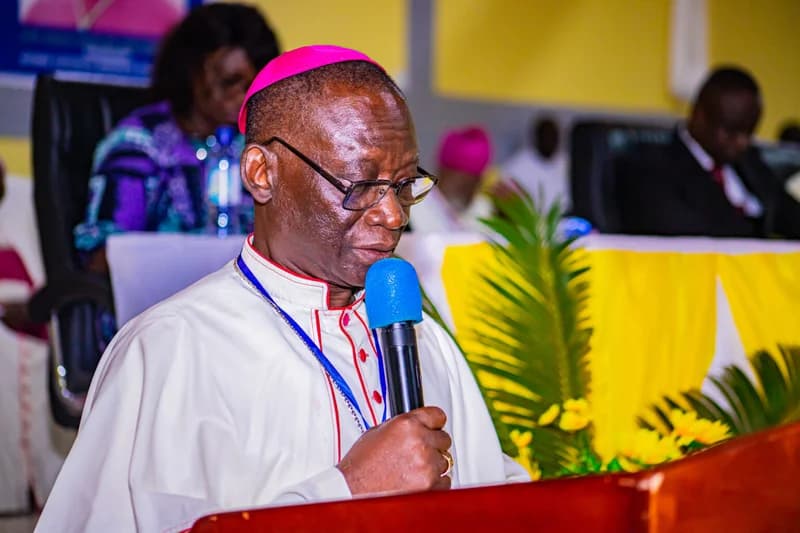
Further complicating the national landscape are sensitive cases regarding religious freedom and social advocacy. The Ghana Catholic Bishops’ Conference has filed an amicus curiae brief with the Supreme Court in the ongoing Wesley Girls’ High School religious rights case. The intervention seeks to provide a framework for religious tolerance in public schools following a lawsuit by lawyer Shafic Osman over policies that allegedly restrict Muslim students' practices. Meanwhile, the Institute of Community Sustainability (ICS) was forced to suspend its anti-dog and cat meat campaign in the Northern Region after its director, Eric Jerry Aidoo, was violently attacked. These incidents collectively underscore a period of tension where the rights of individuals and organizations are increasingly clashing with traditional practices and state authority.
These developments highlight a critical juncture for Ghana’s democratic institutions. From the demand for clarity on the right to record security forces to the Supreme Court’s upcoming decisions on constitutional adherence, the outcomes of these cases will likely define the relationship between the state and its citizens for years to come. As the government faces pressure to implement systemic reforms within the police and maintain the integrity of the 1992 Constitution, the public remains focused on whether justice will be delivered for high-profile figures like Ibrahim Mahama and ordinary citizens alike.
This story touches markets covered on Anansi Intelligence ↗.
Live rates
Ghana gold price →More from politics
Continue exploring similar stories


