••
Health Experts Warn as 4 Million Ghanaians Face Silent Kidney Disease Crisis
•2 min read•4 sources
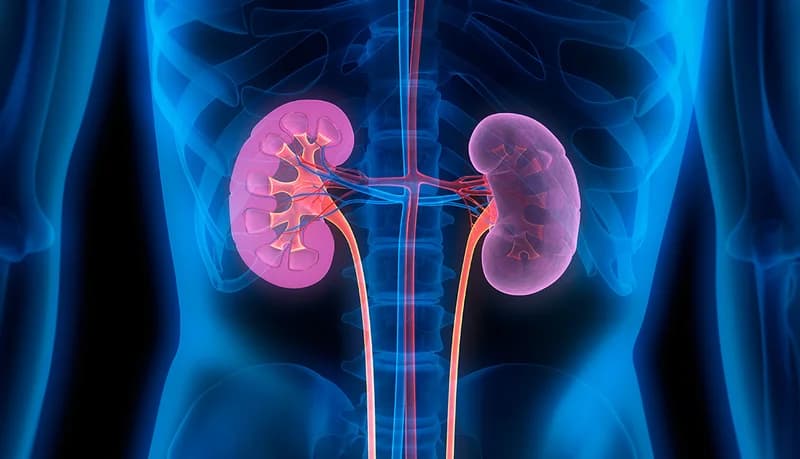
Health experts in Ghana are sounding the alarm over a burgeoning public health crisis, revealing that approximately four million Ghanaians—about 13 percent of the adult population—are currently living with chronic kidney disease (CKD). Alarmingly, a significant majority of these individuals remain unaware of their condition until it reaches advanced stages. This 'silent killer' is increasingly affecting the nation’s core workforce, with a high prevalence noted among individuals aged between 20 and 50 years, posing a severe threat to both public health and economic productivity. Dr. Mensah Amoah, a nephrology specialist, has highlighted a worrying trend where most patients only seek medical attention when they have reached Stage Five, the point of total kidney failure. At this terminal stage, the only remaining options are life-sustaining treatments such as dialysis or organ transplants, both of which are prohibitively expensive for the average citizen. The late-stage presentation of the disease turns what could be a manageable health condition into a catastrophic financial and medical emergency for families across the country. The rise in kidney-related ailments has been linked to several avoidable risk factors. Experts speaking on health programs like 'The Probe' have specifically pointed to the unregulated use of street herbal mixtures and the frequent, unmonitored consumption of certain painkillers. Prof. Cynthia Amaning Danquah and other researchers emphasize that these substances can cause irreversible damage to renal tissues. Additionally, lifestyle factors such as excessive salt intake, poor dietary habits, and a lack of regular physical exercise continue to drive the high incidence of CKD in the Ghanaian population. To combat this growing epidemic, health professionals are advocating for a shift toward preventive care and early detection. Simple and affordable screenings, such as urinalysis, can detect early signs of kidney damage and are accessible under the National Health Insurance Scheme (NHIS). Experts urge the public to adopt healthier lifestyles and seek routine medical check-ups, stressing that early intervention is the most effective way to prevent the progression of CKD and reduce the burden on Ghana’s healthcare system.