••
Ghana and Kenya Confront Escalating Environmental Risks Amidst Regional Sustainability Initiatives
•2 min read•6 sources
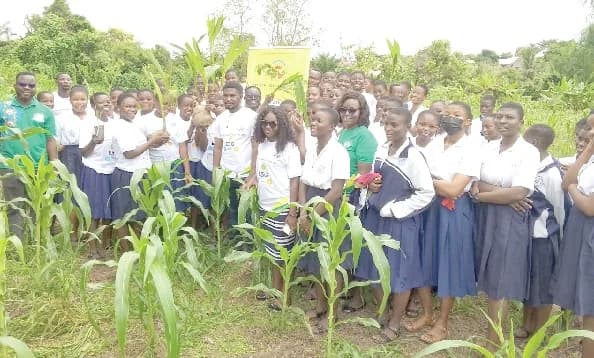
Environmental concerns are mounting across the African continent, with Ghana and Kenya currently facing critical challenges ranging from climate-induced health risks to mysterious wildlife fatalities. A recent report from the Climate Impact Lab has placed Ghana within a "Mortality-Cooling Trap," warning that the nation could witness approximately 4,000 additional heat-related deaths annually by 2050. This trend is driven by a dangerous gap between rising temperatures and a slow-growing electricity supply that fails to support necessary cooling devices. Simultaneously, in Kenya, the Kenya Wildlife Service (KWS) has launched an urgent inquiry into the deaths of 14 elephants near Amboseli National Park, investigating potential causes such as disease or poisoning. Tissue samples have been dispatched to laboratories to determine if the fatalities are linked to environmental toxins or localized outbreaks. In response to these growing ecological pressures, several initiatives are focusing on localized sustainability and waste management. The Africa Zero Waste Academy, a collaboration between GAIA Africa and GAYO, recently commenced its in-person phase in Ghana. This program aims to equip a new generation of practitioners with tools to implement zero-waste systems that reduce emissions and improve public health, building on Accra's designation by the UN as a "City Towards Zero Waste." Furthermore, ASA Savings and Loans Ltd has partnered with senior high schools in Sunyani to restore the city’s vanishing green cover. By donating 500 fruit tree seedlings to Notre Dame Girls’ SHS and Akumfi Ameyaw SHS, the initiative seeks to counter the effects of rapid urban development and promote environmental education among the youth. Agricultural resilience and resource protection also remain at the forefront of the regional agenda. In Northern Ghana, the Seed Systems Group (SSG), supported by U.S. funding, is working with the Ministry of Food and Agriculture to improve farmers' access to high-quality pearl millet and cowpea varieties. By training agro-input dealers in seed handling and business management, the project aims to bolster food security and crop productivity. However, the protection of natural resources remains a point of contention; a controversial video recently went viral showing Chinese nationals allegedly performing sacrificial rituals at a suspected "galamsey" (illegal mining) site. These diverse developments highlight the complex intersection of climate change, conservation, and industrial activity currently shaping the African environmental landscape and the urgent need for policy-driven solutions.
This story touches markets covered on Anansi Intelligence ↗.
More from africa
Continue exploring similar stories


