••
Africa’s Health Systems at a Crossroads: From Maternal Health Crises to Visionary Continental Reforms
•3 min read•12 sources
The African healthcare landscape is currently grappling with a sharp contrast between localized systemic failures and ambitious continental visions for reform. In Ghana, the Ghana Health Service’s Central Regional Health Directorate has launched an urgent multi-agency investigation into the tragic death of Abigail Opoku and her unborn child at the Kasoa Mother and Child Hospital. Allegations of 'no-bed syndrome' and medical negligence have surfaced, with reports suggesting the mother was denied a life-saving caesarean section due to lack of space, enduring 36 hours of labor without adequate care. This incident has reignited national outrage over maternal mortality rates and the quality of emergency healthcare delivery, prompting authorities to promise a transparent review to ensure such tragedies are not repeated.
Simultaneously, Kenya’s President William Ruto has called for a radical transformation of the continent’s medical infrastructure during the 2026 World Health Summit Regional Meeting in Nairobi. Addressing over 2,000 global health leaders, Ruto urged African nations to transition from fragmented, donor-dependent interventions to scalable, accountable, and robust health systems. He emphasized that by strengthening health financing and pandemic preparedness, Africa could position itself as a global leader in health innovation. The summit, hosted by Aga Khan University, serves as a pivotal platform for leaders to discuss the necessity of universal health coverage and the integration of domestic and international investments into sustainable healthcare frameworks.
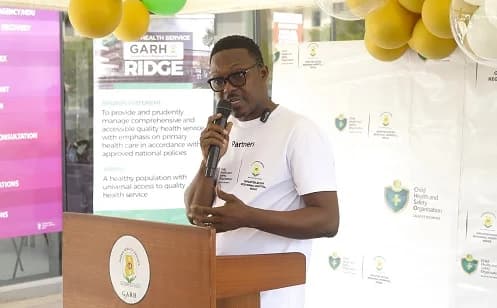
While high-level reforms are debated, grassroots and community organizations in Ghana are intensifying their efforts to fill critical gaps in care and advocacy. The newly launched Child Health and Safety Organisation (CHSO) is shifting the focus from treatment to prevention, using educational initiatives like the 'Safety Adventures of B.B' book series to reduce preventable childhood injuries. At the same time, the amputee community, led by Valeria Adzatia of Smiles of Hope, is demanding a transition from charity to dignity through a proposed national prosthetic support scheme and improved public infrastructure. These demands for inclusion highlight the ongoing struggles of vulnerable populations to access affordable healthcare and equitable job opportunities.
This period of reflection on healthcare is also marked by significant milestones for civil society organizations that support the nation's social fabric. The Zonta Club of Accra II recently celebrated 30 years of empowering women and girls through its healthcare advocacy and scholarship projects, while Council 10 of the Noble Order of the Knights of Marshall launched its 80th-anniversary celebrations with a commitment to continued community service. Together, these developments—ranging from the investigation of medical tragedies to the celebration of long-standing advocacy groups—underscore the complex journey toward a more resilient and equitable healthcare system in Ghana and across the broader African continent.
This story touches markets covered on Anansi Intelligence ↗.
More from africa
Continue exploring similar stories


