••
A Decade of Seeking Justice and Contesting Legacy: Ghana Reflects on J.B. Danquah Adu and Kwame Nkrumah
•3 min read•10 sources
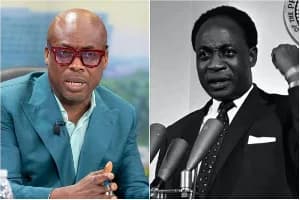
On February 9, 2026, Ghana marked a somber double milestone in its political and judicial history. While family and friends gathered to commemorate the tenth anniversary of the brutal murder of Joseph Kofi Kyeretwie Boakye Danquah Adu, a prominent former Member of Parliament for Abuakwa North, a renewed debate surged regarding the naming of the country’s primary gateway, Kotoka International Airport. These parallel narratives highlight a nation still grappling with the shadows of its political past, the inefficiencies of its legal system, and the enduring contest over the legacies of its founding fathers.
Ivy Heward-Mills, the widow of the late J.B. Danquah Adu, led a heartfelt tribute to her husband, who was stabbed to death in his home on February 9, 2016. A decade later, the quest for justice remains elusive. The trial of the primary suspect, Daniel Asiedu, has been characterized by a decade of convoluted legal hurdles, including frequent adjournments, a split jury decision, and multiple retrials. Heward-Mills expressed profound grief and frustration over the lack of closure, a sentiment echoed by the public as the case has become a symbol of the systemic delays and inefficiencies within the Ghanaian judiciary.
Simultaneously, the political arena was ignited by a call from anti-corruption campaigner Vitus Azeem to rename Kotoka International Airport in honor of Ghana’s first president, Dr. Kwame Nkrumah. Azeem urged the government to abandon the proposed neutral name of "Accra International Airport" in favor of "Kwame Nkrumah International Airport," arguing that national landmarks should celebrate figures who played pivotal roles in Ghana’s independence. He dismissed financial concerns regarding the rebranding, suggesting that a phased transition would honor Nkrumah’s legacy as a unifying national symbol and potentially bolster the country's tourism appeal.
This proposal, however, faces stiff opposition from those who view Nkrumah’s later years through a critical lens. Broadcaster Paul Adom-Otchere has previously defended the 1966 military coup led by Lieutenant Colonel Emmanuel Kwasi Kotoka—the airport’s current namesake—arguing that Nkrumah’s shift toward a lifetime presidency and the suppression of political opponents necessitated his removal. Adom-Otchere characterized efforts to rename the airport as a strategic attempt to rehabilitate Nkrumah’s image while ignoring the historical reality of his governance. These conflicting perspectives underscore the deep-seated ideological divisions that continue to shape Ghana’s national identity.
As the Danquah Adu family continues their wait for a final verdict, and the government weighs the cultural weight of its infrastructure names, Ghana stands at a crossroads of memory and accountability. The lack of resolution in the Danquah Adu murder trial remains a blemish on the nation's commitment to the rule of law, while the airport naming dispute reveals a country still seeking a consensus on its historical narrative. Moving forward, the resolution of these issues will be instrumental in determining how the nation honors its past while building a more just and unified future.
This story touches markets covered on Anansi Intelligence ↗.
More from politics
Continue exploring similar stories


