••
Ghana Expands Global Influence and Economic Zones Amidst Critical Governance and Security Challenges
•3 min read•24 sources
Ghana is significantly enhancing its international standing and industrial prospects through several landmark agreements and diplomatic initiatives. A major bilateral deal with Jamaica has been signed to deploy approximately 400 Ghanaian nurses to support the Caribbean nation’s healthcare system, marking the revival of the Permanent Joint Commission for Cooperation after 21 years. In tandem, Kwame Asare Obeng, the Member of Parliament for Gomoa Central, has secured a Memorandum of Understanding with the Tianjin University Research Institute in China to develop the Gomoa Special Economic Zone. This partnership aims to build smart cities and industrial parks while providing annual scholarships for 20 Ghanaian architecture students. Furthermore, Speaker of Parliament Alban Bagbin has committed to hosting African parliamentary leaders in October 2026 for the 10th GITFiC Conference to address global debt management and the African Continental Free Trade Agreement (AfCFTA).
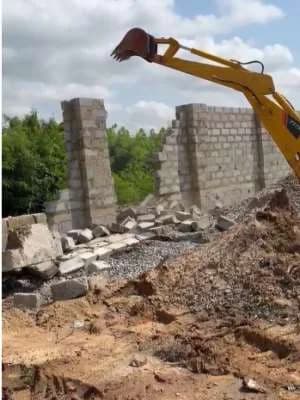
These developmental strides are, however, tempered by serious accountability concerns and financial irregularities. A forensic audit into the Ghana Broadcasting Corporation (GBC) regarding the 13th African Games has revealed staggering financial discrepancies totaling GH₵580,042,347.40, characterized by cost inflation and procurement failures. While GBC management defended their actions as being in the national interest, the audit has led to recommendations for severe sanctions. Simultaneously, a controversy has erupted in Ablekuma West, where former NDC parliamentary candidate Kobby Mensah criticized the party after his property, built on a waterway, was demolished. Public reaction has been largely negative toward Mensah, with citizens and the local assembly reinforcing that political loyalty does not grant immunity from urban planning regulations and public safety laws.
On the domestic security and infrastructure front, the Ghana Prisons Service has launched a high-level investigation into an alarming security breach at Ankaful Maximum Security Prison. Convict Ishaku Alhassan is alleged to have masterminded the murder of Nana Serwaa Asaama Agyankomaa I, the Queen Mother of Abamba, from within the prison walls. This incident has sparked urgent calls for better scanning equipment and stricter enforcement of mobile phone bans in correctional facilities. Meanwhile, the Ministry of Transport and the Ministry of Finance are pushing for a modernization of the nation’s logistics, with plans to designate Takoradi Port as the primary hub for Sahelian cargo. This strategy includes a proposed railway line to Hamile to facilitate trade with Burkina Faso, Mali, and Niger.
As Ghana navigates these internal challenges, the broader regional context remains volatile, highlighted by Ethiopia’s recent elections being overshadowed by conflict and voting suspensions in 46 constituencies. Locally, the government continues to focus on reconstruction, such as the redevelopment of the fire-damaged Ayawaso Central market, slated for completion in late 2026. The synthesis of these events paints a picture of a nation striving for economic industrialization and global relevance while simultaneously battling deep-seated issues in financial transparency, internal security, and the rule of law. The success of Ghana’s ambitious international projects will likely depend on its ability to resolve these domestic governance hurdles effectively.
Related topic
Ghana Prisons Service Recruitment: Latest News →

