••
Ghana and Côte d’Ivoire Strengthen Cocoa Partnership as Government Shields Farmers from Global Price Slump
•3 min read•15 sources
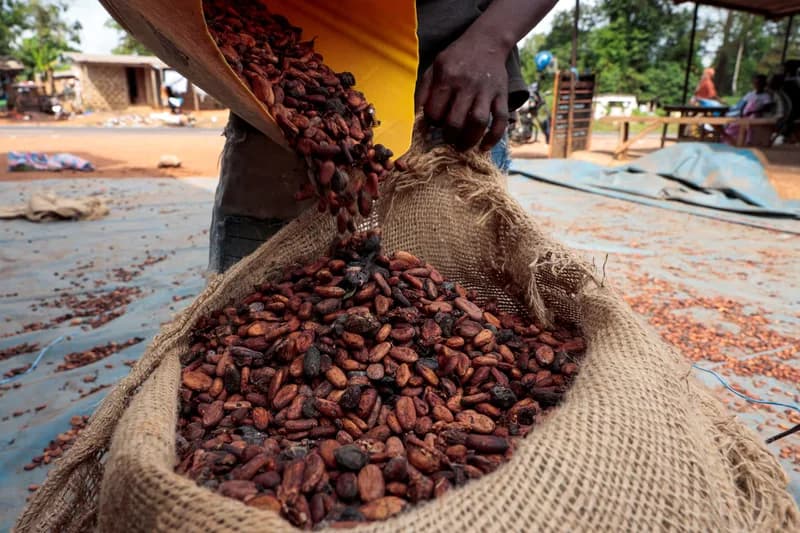
President John Dramani Mahama is set to join President Alassane Ouattara in Abidjan for a high-level summit focused on the future of the cocoa economy. The summit, organized under the Côte d’Ivoire–Ghana Cocoa Initiative (CIGCI), follows critical preparatory meetings led by Ghana's Finance Minister, Dr. Cassiel Ato Forson. The discussions aim to align regional policies and develop sustainable strategies to protect the livelihoods of cocoa farmers in the world's two largest producing nations. Dr. Forson emphasized that the collaboration has already fostered common positions intended to create a more resilient and profitable sector, specifically addressing market volatility and climate risks.
In a significant policy move, the Ghana Cocoa Board (COCOBOD) has defended the government’s decision to maintain cocoa producer prices despite a decline in the international market. Jerome Sam, COCOBOD’s Head of Public Affairs, characterized this as an unprecedented but vital intervention to save the sector. While neighboring Côte d’Ivoire has adjusted its prices downward in response to global trends, Ghana has chosen to hold its pricing steady to safeguard farmer income. This move deviates from the traditional practice of fixing prices only at the start of the season, reflecting a strategic priority to shield domestic producers from financial shocks and ensure the long-term sustainability of a crop that contributes significantly to the national GDP.
Supporting this high-level diplomacy is a robust domestic effort to boost agricultural productivity through the Feed Ghana Programme. The government has initiated the distribution of 40,000 bags of fertiliser along with drone technology to smallholder and peasant farmers. National Coordinator Bright Demordzi noted that this initiative is designed to reduce production costs and improve crop yields during the current planting season. By integrating modern technology and direct resource provision, the programme seeks to enhance food security and reduce the nation’s reliance on food imports, complementing the broader strategy of economic stabilization.
Parallel to these agricultural developments, Ghana is also reinforcing its position as a regional energy hub. At the West Africa Gas Summit in Accra, Deputy Minister for Energy and Green Transition, Richard Gyan-Mensah, reaffirmed the country’s commitment to utilizing natural gas as a transition fuel for industrialization. Representing Energy Minister Dr. John Abdulai Jinapor, Gyan-Mensah highlighted that leveraging natural gas is central to Ghana’s strategy for energy security and economic growth. He called for enhanced regional cooperation among West African nations to maximize their collective gas resources, ensuring energy resilience across the sub-region.
Collectively, these initiatives represent a multifaceted approach by the Ghanaian government to secure economic stability through both regional diplomacy and targeted domestic interventions. By protecting the cocoa sector from international market fluctuations, providing direct support to smallholder farmers, and advancing a gas-led energy strategy, the government aims to build a more resilient economy. The upcoming presidential summit in Abidjan is expected to further solidify these goals, potentially yielding new frameworks for cocoa pricing and regional resource management that will define the economic landscape for years to come.
This story touches markets covered on Anansi Intelligence ↗.
More from politics
Continue exploring similar stories


