••
Rethinking Urban Informality: The Essential Role of Ghana’s Informal Workers in Sustainable City Planning
•3 min read•6 sources
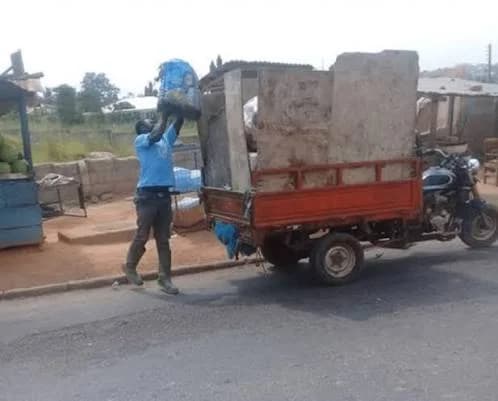
In the bustling streets of Kumasi, Ghana, the daily rhythm of life is sustained by a workforce that often operates in the shadows of official recognition. From the "aboboyaa" (motor tricycle) waste collectors who navigate narrow neighborhoods to the street vendors providing affordable goods, these informal workers are the backbone of the city’s essential services. Author Pearl Wematu Puwurayire, writing for GBC Ghana Online, argues that the "informal" label frequently applied to these workers obscures their critical contributions and reflects deeper institutional failures rather than a temporary stage of development. The persistence of these activities highlights a significant gap between the services the state provides and the actual needs of the urban population.
In many instances, informal systems are not merely survival strategies for the poor but are highly organized, responsive mechanisms that ensure the city functions. In waste management, for example, where formal systems often struggle with reach and reliability, informal collectors provide a vital link in the sanitation chain. By filling these service gaps, these workers sustain local economies and provide the infrastructure necessary for daily life, yet they continue to face marginalization and a lack of socio-economic support. The article highlights that these roles are central to urban functioning yet are often viewed as incomplete due to their lack of formal classification.
The classification of this work as "informal" often serves to stigmatize and undervalue the people behind the services. Puwurayire suggests that instead of viewing informality as a lack of regulation or an incomplete version of a formal economy, it should be recognized as a fundamental reality of urban life in Ghana. This narrative challenges urban planners and policymakers to look past the biases inherent in current governance structures. The persistence of the informal sector is a testament to the ingenuity of residents navigating a landscape marked by inequality and systemic shortcomings, rather than simply a lack of desire to comply with formal regulations.
To foster more inclusive and resilient cities, there must be a paradigm shift in how urban planning is approached in Ghana. Rather than seeking to eliminate or strictly formalize these sectors, authorities should engage with and support them. Recognizing the interplay between formal and informal arrangements is crucial for addressing urban inequality. By integrating these existing systems into the broader governance framework, Ghana can better address its developmental challenges and ensure that those who provide essential urban services are afforded the dignity and protection they deserve in the evolving urban landscape.
This story touches markets covered on Anansi Intelligence ↗.
More from africa
Continue exploring similar stories


