••
Ghana Showcases Industrial Progress Through International Automotive Recognition and Nuclear Energy Milestones
•2 min read•2 sources
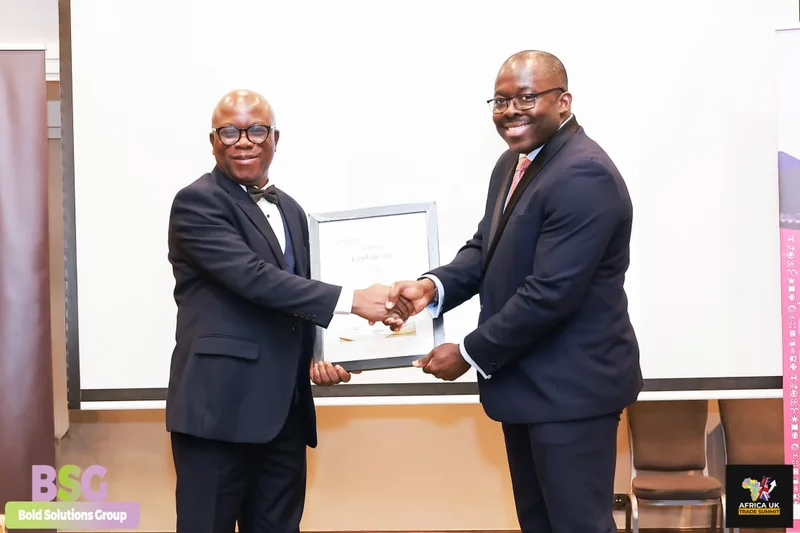
Ghana is solidifying its position as a leader in African industrial and technological advancement, marked by significant milestones in both professional excellence and national energy infrastructure. Recent developments have seen Ghanaian expertise recognized on the global stage through Ing. Ebenezer Kwadjo Dankyi's prestigious award in the United Kingdom, while the International Atomic Energy Agency (IAEA) has formally backed the nation's ambitious nuclear power program. These parallel advancements underscore a broader trend of African nations leveraging international partnerships and technical innovation to drive sustainable economic growth and energy security. In the automotive sector, Ing. Ebenezer Kwadjo Dankyi, a distinguished engineer and educator, was recently honored with the Africa–UK Excellence in Automobile Engineering Award at the Africa–UK Diaspora Trade and Investment Summit. As the founder of AETS Ghana Limited with over three decades of experience, Dankyi has been a pivotal figure in advocating for modern automotive technologies and competency-based training. During the summit, he emphasized the vast opportunities for investment and technology exchange within Africa's automotive landscape, dedicating his award to those committed to shaping the continent's technological future through education and industry leadership. Simultaneously, Ghana's energy sector is poised for a transformative shift with the IAEA’s endorsement of its nuclear readiness. Director General Rafael Mariano Grossi highlighted that nuclear energy is increasingly central to long-term development strategies across Africa, with Ghana leading the way in establishing independent regulatory bodies and following the IAEA’s Milestones Programme. The government is currently preparing for vendor negotiations and site studies for a planned 1,000-megawatt nuclear power plant, which aims to provide a reliable energy backbone for industrial expansion and reduce the country's carbon footprint during the ongoing energy transition. These achievements reflect a strategic alignment between human capital development and large-scale infrastructure projects. By fostering specialized skills in automotive engineering and pursuing high-tech energy solutions like nuclear power, Ghana is positioning itself as a hub for innovation and industrial reliability in West Africa. The integration of such advanced technologies, supported by international oversight and trade partnerships, suggests a roadmap for other African nations seeking to balance industrial growth with modernization and environmental responsibility.
This story touches markets covered on Anansi Intelligence ↗.
More from africa
Continue exploring similar stories


