••
Ghana Grapples with Human Trafficking and Environmental Threats Amidst Surge in Community-Led Initiatives
•3 min read•17 sources
Ghana is currently witnessing a multi-faceted push to address critical social and environmental challenges, ranging from human rights advocacy to large-scale land restoration. The Ghana Journalists Association (GJA) has taken a lead role in this effort, with Secretary Dominic Hlodzi calling for increased investment in investigative journalism to combat human trafficking. Ahead of the World Day Against Trafficking in Persons on July 30, also known as Blue Day, the GJA emphasized that journalist training and safety are essential for exposing trafficking networks, particularly within the sports sector. This call for institutional accountability is echoed in the humanitarian sector, where the King Salman Humanitarian Aid and Relief Center (KSrelief) has injected nearly $1 million USD into Ghana to support orphans and their guardians through food assistance, education, and vocational training.
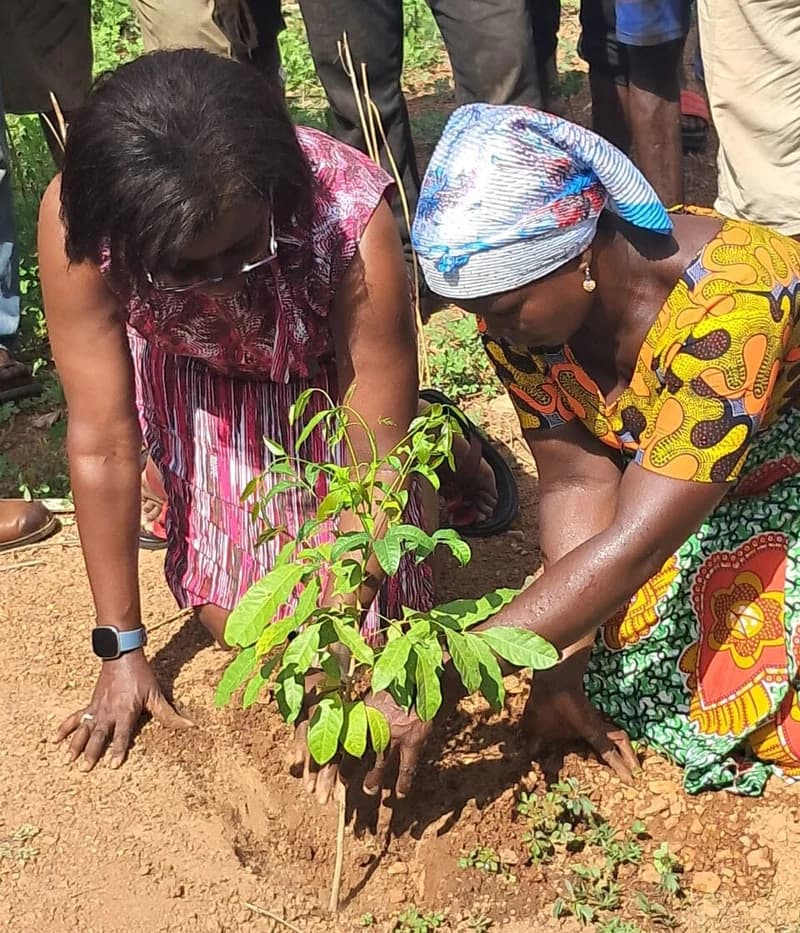
On the environmental front, the nation is battling the devastating effects of illegal mining, commonly known as galamsey, while simultaneously launching massive restoration projects. Chiefs in the Bisi and Krofofrom communities of the Ahafo Region have mobilized to protect their agricultural lands and water sources from toxic substances like mercury. Similarly, the Concerned Citizens of Atewa Landscape have raised alarms over the pollution of the sacred Bukru stream in Kyebi, which threatens upcoming cultural festivals. In response to such degradation, TreeAid Ghana and Nviron Hive have launched a transformative three-year project in Yendi. This initiative aims to plant and regenerate 200,000 trees and restore 1,000 hectares of land, focusing on community-driven forest governance and economic empowerment for women and youth.
Infrastructure and disaster management remains a significant concern, as seen in the recent flooding crises in the Greater Accra and Western Regions. Residents of Weija-Gbawe and Tetegu have accused authorities of a communication breakdown regarding the Weija Dam spillage, which led to widespread displacement despite previous successful community-led dredging efforts. Meanwhile, in Sekondi, persistent flooding at the Central Prisons—attributed to improper drainage from local road construction—has raised serious security concerns regarding the facility's structural integrity and the potential for jailbreaks. These incidents highlight an urgent need for better coordination between state agencies and local communities to manage urban drainage and emergency warnings.
Despite these challenges, a strong spirit of philanthropy continues to provide a safety net for the vulnerable. The St. Augustine’s College 1985-year group (APSU’85) recently donated GHS 75,000 worth of clothing to the Chosen Children Centre in Accra, following a substantial donation of medical supplies to the Ghana Prisons Service. Additionally, former NPP Treasurer Aikins Boakye donated over GHS 100,000 to the Village of Hope Orphanage, emphasizing that altruism is a key driver of both personal and national prosperity. These collective efforts from civil society, traditional leaders, and international partners underscore a growing recognition that sustainable development in Ghana requires a unified approach to social justice, environmental stewardship, and humanitarian care.
This story touches markets covered on Anansi Intelligence ↗.
Related topic
Ghana Prisons Service Recruitment: Latest News →Live rates
Dollar to cedi rate →More from africa
Continue exploring similar stories


