••
Ghana Celebrates Heritage Month with Festivals, Cultural Preservation Efforts, and Calls for National Unity
•3 min read•10 sources
Ghana is currently experiencing a vibrant surge of cultural activities as the nation observes Heritage Month, marked by several high-profile festivals and community initiatives aimed at bolstering tourism and economic growth. In the Greater Accra Region, the Weija Gbawe Municipal Assembly has launched a week-long celebration themed "Our Heritage, Our Culture," showcasing indigenous foods and traditional lifestyles. Simultaneously, preparations are underway for the Joy Ghana Fest 2026, set to take place from March 20 to 23 at the Achimota Retail Center. Further east, the Keta Municipality has launched the 5th Vodza Easter Regatta, an event organized by the Vodza Ecotourism Initiative to transform the area into a major tourism hub. These events collectively promote the "Buy Ghana, Wear Ghana, Eat Ghana" initiative, fostering both national pride and local enterprise.
While celebrations abound, experts are issuing stern warnings about the fragility of Ghana's intangible heritage. Historian Kwaku Darko Ankrah of the University of Ghana recently cautioned that the loss of indigenous languages—with approximately 40 now considered endangered—could erase vital cultural knowledge and intellectual traditions. In response to such threats, the Wikimedia Ghana User Group has initiated the "Wikipedia Highlife @ 100 Project." This digital preservation effort seeks to document a century of Highlife music, a UNESCO-listed heritage, by recruiting volunteers to create biographies of notable musicians and highlight the often-overlooked contributions of women within the genre.
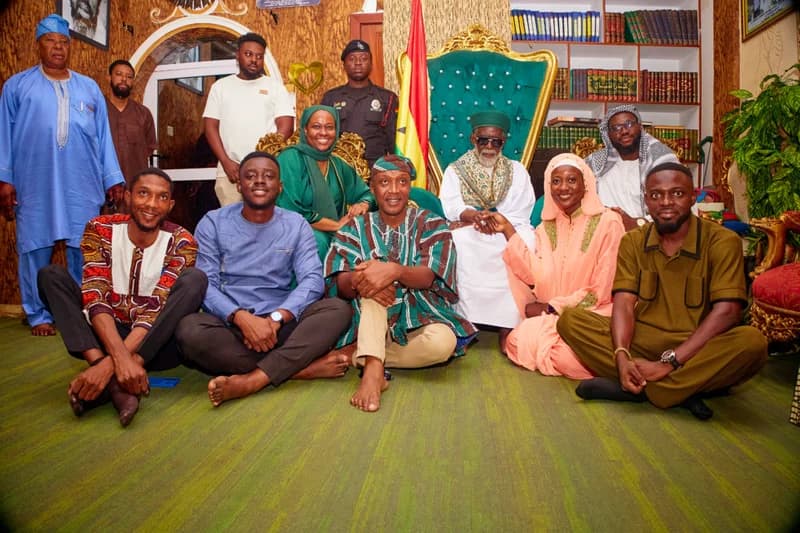
Religious and corporate sectors are also playing a significant role in fostering community cohesion during this period. Malta Guinness recently paid a courtesy visit to the National Chief Imam, Sheikh Osmanu Nuhu Sharubutu, as part of its "We Move Together" campaign. The visit, which occurred during the final days of Ramadan, emphasized the brand's commitment to local sourcing and religious inclusivity while providing support for the upcoming Eid celebrations. In the Oti Region, the media landscape received a boost with the launch of Aluta 107.7 FM in Nkonya. Officiated by prominent figures including Rev. Lawrence Tetteh, the new station is expected to empower local communities through informative programming and promote regional peace.
However, the intersection of tradition and modern life continues to spark significant debate, as seen in the recent controversy surrounding the burial of late Highlife legend Daddy Lumba. GaDangme traditional leaders have labeled the artist's interment in East Legon as "illegal," claiming it violates Ga land customs and demanding the exhumation of the body. This dispute highlights the complex jurisdictional tensions between modern private arrangements and traditional protocols. As Ghana moves forward with its heritage celebrations, these developments underscore the ongoing challenge of balancing economic modernization with the rigorous preservation of ancestral customs and linguistic diversity.
This story touches markets covered on Anansi Intelligence ↗.
More from africa
Continue exploring similar stories


