••
Ghana’s Healthcare at a Crossroads: Government Targets Systemic Reforms and Full Vaccine Financing by 2030
•3 min read•24 sources
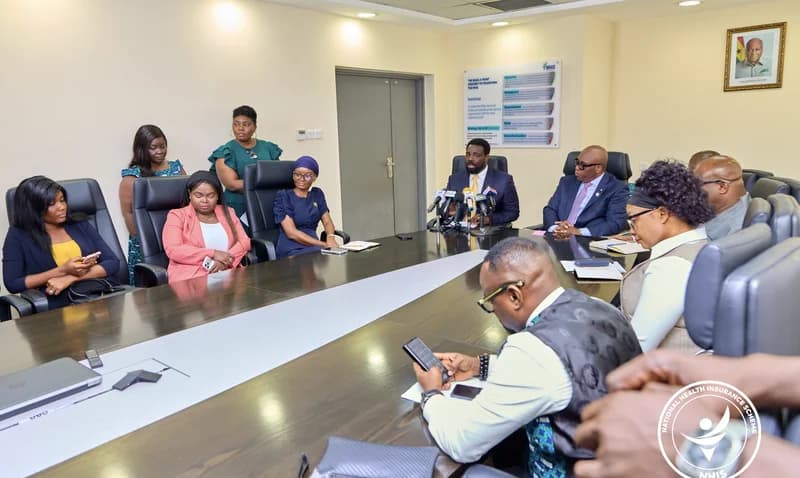
The Ghanaian healthcare system is facing a period of intense scrutiny and transformation following a damning investigative report into the preventable death of 29-year-old engineer Charles Amissah. The report, produced by a committee chaired by Professor Agyeman Badu Akosa, revealed that Mr. Amissah died from prolonged blood loss after being denied emergency care at three major facilities—Police Hospital, Greater Accra Regional Hospital, and Korle Bu Teaching Hospital—due to the ‘no-bed syndrome.’ Health Minister Kwabena Mintah Akandoh has since ordered disciplinary action against several doctors and nurses identified in the report, sparking a national debate over individual accountability versus systemic failure. While Parliament’s Health Committee Chairman, Dr. Mark Kurt Nawaane, has urged overwhelmed medical professionals to resign, the Ghana Medical Association (GMA) and the Ghana Registered Nurses and Midwives Association (GRNMA) have cautioned against ‘scapegoating’ individuals for deep-seated infrastructure and communication gaps.
In response to these systemic weaknesses, the government has announced a series of aggressive reforms aimed at securing the country’s health future. Finance Minister Dr. Cassiel Ato Forson revealed that Ghana will move toward fully financing its own vaccines and critical medicines by 2030, as support from the Global Fund is scheduled to wind down by 2029. This sustainability drive is coupled with the launch of the Free Primary Healthcare Programme and the 'Mahama Cares' Medical Trust Fund, which recently received GH¢6.1 million in contributions from the salaries of President John Dramani Mahama and his appointees. These funds are designated to assist citizens with chronic diseases and high-cost treatments not covered by the National Health Insurance Scheme (NHIS), reflecting a broader shift toward universal health coverage.
Technological and administrative upgrades are also central to the government’s strategy to eliminate emergency bottlenecks. The National Health Insurance Authority (NHIA), led by CEO Dr. Victor Asare Bampoe, has launched the ‘STORM’ initiative to provide free registration and waive waiting periods for members. Simultaneously, the National Identification Authority (NIA) is expanding its database to register over 3.1 million children, linking the Ghana Card with NHIS data to create a more dynamic and accessible identity system. To specifically address the issues highlighted in the Amissah case, the investigative committee has recommended the establishment of a National Electronic Emergency Bed Management System and a National Emergency Care Fund to ensure that no patient is ever turned away during a crisis again.
As these reforms take shape, political and health leaders are emphasizing the need for professional ethics and policy consistency. Vice President Jane Naana Opoku-Agyemang has called for a sector-wide overhaul, including better training for medical technicians and stronger collaboration between doctors and nurses. While the Ministry of Health works to resolve operational disputes—such as the recent committee formed to address laboratory service challenges at Korle Bu—the overarching goal remains clear: transitioning Ghana from a donor-dependent health system to a self-sufficient, resilient one. The coming years will be critical as the government balances the immediate need for disciplinary accountability with the long-term requirement for massive infrastructure investment and sustainable domestic financing.
This story touches markets covered on Anansi Intelligence ↗.
More from politics
Continue exploring similar stories


