••
Ghana’s Healthcare Sector Faces Critical Turning Point Amid Infrastructure Expansion and Rising Disease Burdens
•4 min read•14 sources
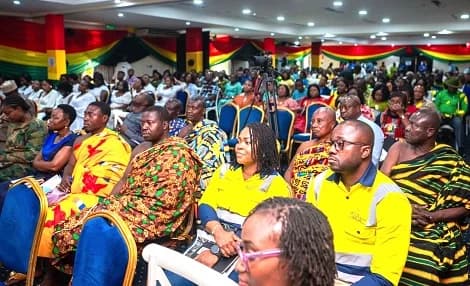
Ghana is currently at a pivotal crossroads in its public health journey, as the government moves to decentralize medical services while grappling with an alarming rise in non-communicable diseases (NCDs) and maternal mortality. Health Minister Kwabena Mintah Akandoh recently revealed that NCDs now account for nearly 45% of all deaths in the country, prompting a major shift toward a "Free Primary Healthcare" initiative. This strategy includes the construction of 350 high-tech health posts across 150 districts, specifically targeting high-traffic areas like markets to facilitate early detection of chronic conditions like hypertension and diabetes. To support this specialized care, the Ghana Medical Trust Fund (GMTF) is strengthening partnerships to roll out new cardiology centers in Kumasi, Tamale, and Accra, while simultaneously running pilot programs at Korle-Bu Teaching Hospital to enhance patient-centered care for critical cases.
Despite these ambitious policy expansions, the healthcare system continues to face severe infrastructure gaps and regulatory challenges. The Health Facilities Regulatory Agency (HeFRA) has announced a crackdown on facilities operating unsafe, makeshift wards for infectious diseases, particularly in the Eastern and North East regions. The human cost of these gaps was recently highlighted in the Volta Region, where a woman in active labor was reportedly left unattended on a floor due to a lack of trained professionals. Furthermore, the Ashanti Region has seen a troubling spike in maternal mortality, recording 778 deaths between 2021 and 2025. In response, stakeholders are calling for improved funding under the National Health Insurance Scheme and better training for rural staff, supported by a $30 million project from the Korea International Cooperation Agency (KOICA) to improve maternal and child health outcomes.
Grassroots health screenings and community outreach have also uncovered hidden health crises among the nation's youth and vulnerable populations. A recent screening in the Bono Region found that out of 253 children, 16 tested positive for HIV—including nine previously unknown cases—while dozens more suffered from severe malaria and diabetes. Similar large-scale efforts by World Vision Ghana in Agotime Kpetoe reached over 3,500 children, emphasizing the urgent need for routine growth monitoring and early illness detection. Beyond clinical needs, NGOs like the Anidaso Parkinson’s Disease Foundation are working to combat the social ostracism faced by patients whose symptoms are often misinterpreted as spiritual afflictions or witchcraft, advocating for exercise-based therapy and more affordable access to essential medications like Levodopa.
Innovation and the integration of traditional knowledge are emerging as key components of Ghana’s future health landscape. The launch of the landmark book, "The Wisdom of African Traditional Medicine for Professionals," marks a significant step toward integrating regulated herbal medicine into the national healthcare framework, aiming to provide a scholarly, evidence-based approach to indigenous healing. On the technological front, the TIYAC Foundation has begun deploying Starlink internet devices to rural health centers in North Dayi to solve critical connectivity issues, enabling better communication between remote clinics and specialized hospitals. This digital bridge is complemented by private-sector social impact initiatives, such as the Ghana Gold Board’s recent GHS 86,454 donation to fund life-saving brain surgery for a 10-year-old patient.
Ultimately, the success of Ghana’s healthcare transformation will depend on its ability to bridge the divide between urban specialized centers and underserved rural outposts. While the move toward universal health coverage through decentralized posts and the GMTF rollout is promising, addressing the persistent issues of medical stigma, equipment shortages, and maternal safety remains paramount. The government’s goal of nationwide primary healthcare coverage by 2028 serves as the target, but achieving it will require sustained collaboration between state regulators, international donors, and local community leaders to ensure that no patient, whether in a metropolitan hospital or a village clinic, is left behind.
This story touches markets covered on Anansi Intelligence ↗.
Live rates
Ghana gold price →More from africa
Continue exploring similar stories


