••
Ghana Navigates Healthcare Crisis and Agricultural Tension Amid Strategic Policy Reforms
•3 min read•73 sources
Ghana’s political and social landscape is currently dominated by urgent efforts to address systemic failures in healthcare and agriculture, alongside significant shifts in national policy. The ‘no-bed syndrome’ at the Korle Bu Teaching Hospital has reached a critical point, prompting the Korle Bu Doctors Association (KODA) to warn of dangerous overcrowding and legal risks to staff. In response, the government has launched a nationwide hospital bed audit and a real-time barcoding system to power a new National Emergency Command Centre. This initiative, highlighted by Professor Titus Kofi Beyuo, aims to integrate ambulance dispatch with live hospital capacity data, offering a technological solution to a long-standing infrastructure deficit that has frequently left patients receiving care on hospital floors.
Simultaneously, the Ministry of Food and Agriculture faces intense pressure from the Food and Beverages Association of Ghana (FABAG) following Burkina Faso’s ban on tomato exports. FABAG has issued a stern 90-day ultimatum for the ministry to achieve local production self-sufficiency, labeling the current dependency on imports a national security risk. While Minister Eric Opoku has dismissed the association’s timeline as unrealistic and misinformed, the crisis has revitalized calls from peasant farmers and industry stakeholders for a National Tomato Emergency Programme. Beyond agriculture, economic policy analyst Senyo Hosi has criticized the government for ‘exploitative’ recruitment fees charged to youth seeking security service jobs, urging a shift toward state-funded recruitment infrastructure to alleviate the financial burden on struggling families.
In the digital and education sectors, the government has announced a new SIM card re-registration exercise scheduled for 2026. Minister for Communication, Samuel Nartey George, assured taxpayers that telecommunications companies would bear the costs, though the think tank IMANI-Africa has flagged the move as a manifestation of perpetual policy failure. Educationally, Ghana is set to reintegrate into the international West African Senior School Certificate Examination (WASSCE) framework by 2026, a move aimed at restoring the regional credibility of the nation’s academic assessments. This transition occurs as the Ghana TVET Service resumes normal operations following the suspension of an industrial action by the Public Services Workers Union (PSWU) after intervention by the National Labour Commission.
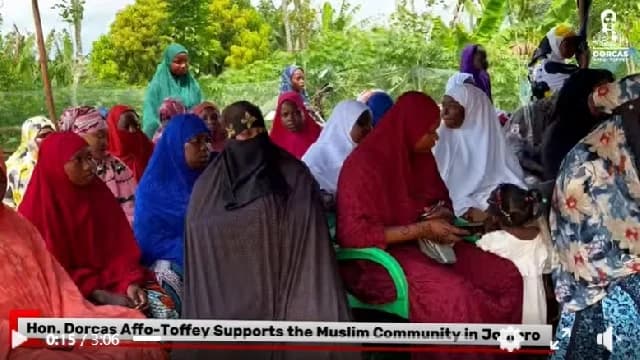
The nation also paused to observe Eid-ul-Fitr, with President John Dramani Mahama and Vice-President Professor Naana Jane Opoku-Agyemang calling for the values of discipline, compassion, and interfaith harmony to guide national life. Amidst these celebrations, the country continues to mourn the tragic microlight aircraft crash in Tema that claimed the lives of Captain Frank Amoanyi Donkor and Elijah Ofori Donkor. As final funeral rites are prepared for the State House, political leaders from across the divide have converged to offer support to the bereaved family, reinforcing a message of national unity and resilience during a period of complex socio-economic challenges.
This story touches markets covered on Anansi Intelligence ↗.
More from politics
Continue exploring similar stories


