••
Ghana Enhances Fiscal Governance through New Mineral Royalties, Robust Revenue Targets, and Stringent Port Surveillance
•3 min read•11 sources
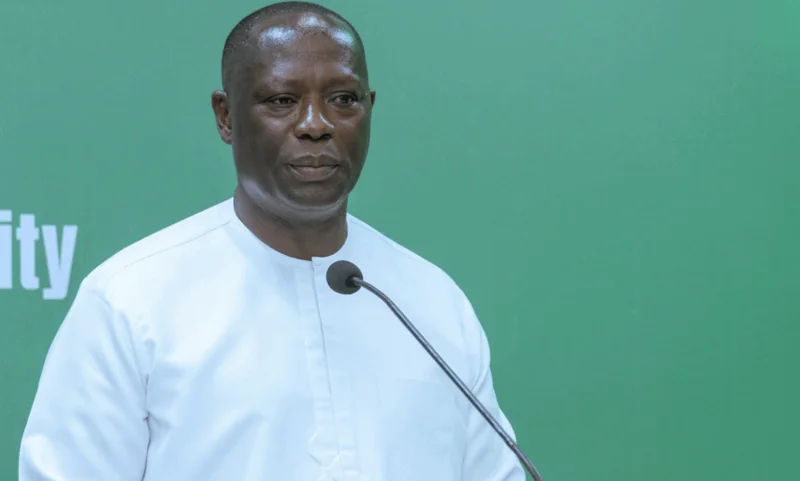
The Government of Ghana is intensifying its efforts to secure the nation's fiscal future through a multi-faceted approach involving aggressive revenue mobilization, legislative shifts in mining, and enhanced regulatory oversight at its ports. At the 2026 Top Management Retreat, George Kweku Ricketts-Hagan, Board Chair of the Ghana Revenue Authority (GRA), commended staff for their commitment to fiscal stability under the government’s ‘Reset Agenda.’ The GRA has been tasked with an ambitious domestic revenue target of GH"230 billion, a goal that leadership intends to meet through modernized tax administration, including Artificial Intelligence (AI) pilots and the Integrated Tax Administration System (ITAS), while prioritizing ethical conduct and staff welfare.
In tandem with these revenue goals, the Ministry for Lands and Natural Resources has proposed a significant shift in the mining sector with the introduction of a sliding-scale royalty structure for all minerals. Mandated by the Minerals and Mining Amendment Act (Act 900), this framework—initially intended for lithium—has been expanded to include gold, which generated over GH"5.2 billion in royalties in 2024 alone. While the policy aims to capitalize on rising gold prices, the Ghana Chamber of Mines has raised concerns that the effective tax rate could climb to between 60% and 68%. Industry stakeholders warn that such a high fiscal burden could jeopardize Ghana’s competitiveness and deter future investments, urging the Ministry to provide more transparent fiscal modeling.
Simultaneously, the Energy Commission (EC) has ramped up surveillance at the Tema Port to combat the influx of substandard electrical products and recover lost state revenue. An internal investigation recently uncovered the illegal importation of approximately 98,000 solar PV units without proper licensing between late 2024 and 2025. Board Chairman Prof. John Gartchie Gatsi warned that non-compliant products, including unsafe EV batteries and substandard fridges, pose severe fire and health risks. To address these regulatory gaps, the Commission is seeking deeper collaboration with the GRA to improve the storage of detained goods and deploy more personnel for effective monitoring at entry points.
Beyond fiscal and regulatory enforcement, the government is highlighting infrastructure-led urban planning as a cornerstone for national development. Deputy Minister for Roads and Highways, Alhassan Sayibu Suhuyini, recently cited the Appolonia City project as a ‘gold standard’ for future urban growth in Ghana. With over US$250 million invested in infrastructure, including 25 kilometers of high-quality asphalt roads, the project serves as a template for strategic investment aimed at improving mobility and quality of life. Together, these initiatives in revenue management, mining policy, and infrastructure reflect a broader state strategy to balance economic growth with public safety and institutional efficiency.
This story touches markets covered on Anansi Intelligence ↗.
Related topic
Ghana Customs Recruitment: Latest News & Updates →Live rates
Ghana gold price →More from politics
Continue exploring similar stories


