••
Ghana Revenue Authority and Shippers’ Authority Push Digital Reforms to Drive Trade Efficiency and Business Growth
•3 min read•9 sources
The Ghana Revenue Authority (GRA) and the Ghana Shippers’ Authority (GSA) are leading a coordinated effort to modernize the nation’s economic landscape through digital integration and stakeholder engagement. Commissioner-General of the GRA, Mr. Anthony Kwasi Sarpong, recently reassured the business community that the implementation of the new Integrated Tax Administration System (ITAS) will not result in additional taxes. Instead, the system is designed to enhance transparency, streamline registration and filing processes, and consolidate taxpayer interactions onto a single digital platform. This assurance comes at a critical time as the Association of Ghana Industries (AGI), led by CEO Seth Twum-Akwaboah, has expressed support for the initiative, noting its potential to broaden the tax base and encourage voluntary compliance through simplified procedures.
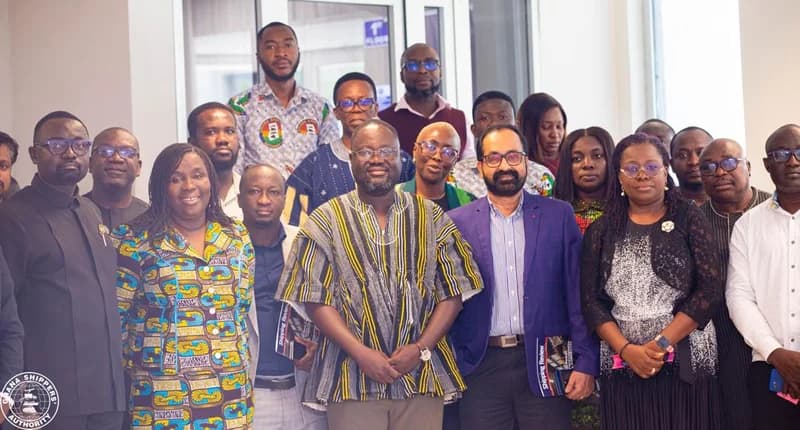
Parallel to tax reforms, the Ghana Shippers’ Authority has intensified its engagement with the trading community to address rising operational costs and logistical bottlenecks. During a High-Value Shippers’ Engagement Forum in Accra, GSA officials, including Mrs. Monica Josiah, met with major industry players like Nestlé Ghana and Cargill to discuss strategies for establishing Ghana as West Africa’s preferred multimodal shipping hub. A primary focus of these discussions was the Container Administrative Charge, which stakeholders noted is significantly higher in Ghana than in neighboring countries. The GSA is actively working to review these charges and streamline certification processes with the Ghana Standards Authority to mitigate the financial pressures faced by high-value importers and manufacturers.
The trade sector’s digital transition is not without its debates, as seen in the ongoing defense of the Integrated Customs Management System (ICUMS). The Importers and Exporters Association of Ghana (IEAG) recently dismissed claims by certain civil society organizations that the system is dysfunctional. The IEAG maintains that since its launch in June 2020, ICUMS has significantly modernized customs administration, reduced revenue leakages, and improved cargo clearance efficiency. This defense aligns with a broader call for a "policy-first" approach to maritime technology, where innovations are selected based on their ability to solve real operational gaps rather than adding unnecessary bureaucratic layers or costs, such as those associated with the Cargo Tracking Note (CTN).
Moving forward, the success of these digital and policy reforms hinges on continuous education and collaboration between state agencies and the private sector. While systems like ITAS and ICUMS promise a more efficient and transparent business environment, stakeholders emphasize the need for ongoing dialogue to address technical challenges and high demurrage charges. By aligning technological tools with the actual needs of the shipping and manufacturing sectors, Ghana aims to create a more resilient and competitive trading environment that supports long-term economic growth across the sub-region.
This story touches markets covered on Anansi Intelligence ↗.
Related topic
Ghana Customs Recruitment: Latest News & Updates →More from business
Continue exploring similar stories


