••
Middle East Conflict Drives 50% Surge in Bitumen Costs, Threatening African Road Infrastructure Projects
•2 min read•1 source
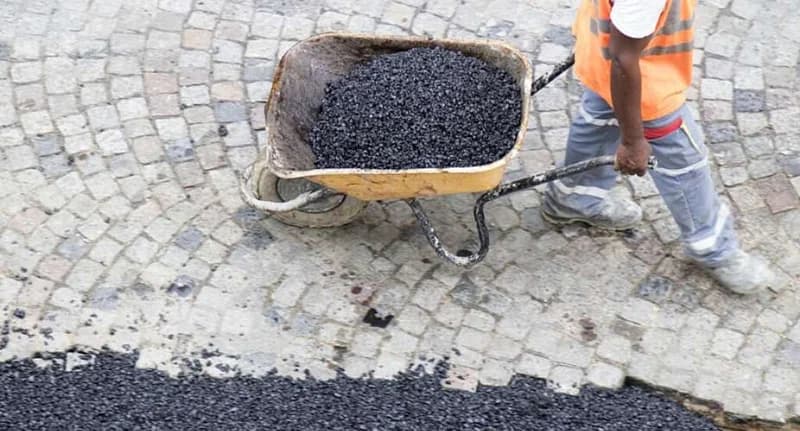
African road construction projects are facing significant hurdles as the ripple effects of the Middle East conflict drive up the cost of bitumen, a critical material for paving. Nations including Madagascar, Guinea, and Cameroon have reported price increases of between 40% and 50%, primarily due to supply chain disruptions and a forced shift from traditional Middle Eastern suppliers to more expensive European alternatives. This sudden surge is causing widespread financial strain for contractors and threatening to stall vital infrastructure development across the continent.
In Madagascar, which depends entirely on imported bitumen, the situation has become particularly dire. Major construction firms like Colas and Inframad have expressed deep concern over extended delivery times and the sheer scale of the price hikes. Previously, the island nation relied heavily on suppliers from the Gulf region; however, the ongoing regional instability has pushed contractors to source material from Europe. This shift not only increases the raw material cost but also introduces logistical complexities that significantly delay project timelines and increase overhead costs.
The economic shock is echoing across other parts of Africa, with similar price volatility reported in Guinea and Cameroon. To manage this volatility, some construction firms are pushing for contract renegotiations to reflect the reality of rising expenses. This flexibility is becoming essential for the survival of construction firms that would otherwise face insolvency due to fixed-price agreements established before the current market instability. The ability to adjust financial terms has become a lifeline for maintaining the momentum of ongoing national infrastructure projects.
In response to these persistent supply chain vulnerabilities, African construction companies are increasingly adopting new risk-management strategies. These include the creation of strategic buffer stocks to mitigate future shocks and more cautious procurement planning. While these measures may provide some short-term stability, the long-term progress of African road infrastructure remains heavily dependent on global geopolitical stability and the capacity of local governments to provide financial cushioning for the construction sector during global market fluctuations.
This story touches markets covered on Anansi Intelligence ↗.
More from business
Continue exploring similar stories


