••
Ghana Ports Authority Progresses Keta Port Project Amid Regional Infrastructure Expansion and Local Transport Fare Threats
•3 min read•4 sources
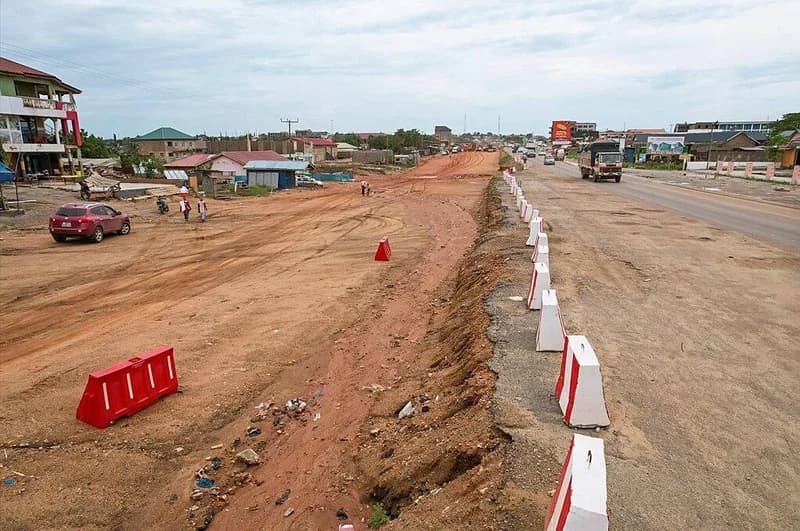
The Ghana Ports and Harbours Authority (GPHA) has announced significant progress on the Keta Port project, marking a pivotal step in Ghana's strategy to become a premier maritime hub for landlocked Sahelian nations. Following the successful acquisition of an Environmental Impact Assessment (EIA) permit, the GPHA hosted a town hall meeting to brief stakeholders on the socio-economic benefits and the procurement phase of the project. GPHA Director-General Brigadier General Paul Seidu Tanye-Kulono confirmed that 42 firms have submitted bids for the project's development, with a contractor selection process expected to conclude within the next three months. While the project promises to transform the economic landscape of the Volta Region, construction adjustments have pushed the completion of the GPHA’s new headquarters to January 2027.
In contrast to these long-term industrial gains, Ghana’s transport sector is facing immediate friction as the Ghana Private Road Transport Union (GPRTU) and the Commercial Transport Operators of Ghana threaten a 20% fare hike on the Kasoa–Winneba route. The operators have issued an ultimatum to the government, citing the deteriorating state of the roadway which they claim has caused significant vehicle damage and costly delays. Despite a previous two-week notice, the unions assert that no progress has been made on repairs. If the government fails to intervene by June 29, commuters on this vital corridor will face increased costs, which the operators argue are necessary to offset rising maintenance expenses caused by the poor road conditions.
These domestic developments occur against a backdrop of massive infrastructure investment across the African continent, highlighted by Kenya’s recent $1.2 billion agreement with the China Road and Bridge Corporation. The deal aims to expand Nairobi’s Jomo Kenyatta International Airport, nearly tripling its annual passenger capacity to 22 million. Financed through a partnership with Africa’s Trade and Development Bank and the Africa Finance Corporation, the project underscores a regional trend of leveraging international partnerships to modernize transport hubs. As Ghana navigates the complexities of local road maintenance and ambitious port developments, the broader continental landscape suggests a competitive push toward large-scale infrastructure to facilitate trade and travel.
The synthesis of these events highlights a dual reality for the Ghanaian transport and business sectors: the promise of future economic growth through strategic projects like the Keta Port, and the pressing, everyday challenges of infrastructure maintenance that threaten inflation in transport costs. For the Keta Port to achieve its full potential as a gateway for countries like Burkina Faso, Mali, and Niger, local authorities must balance these high-level investments with the maintenance of existing road networks that connect the country's economic hubs. The coming months will be critical as the GPHA selects a contractor for the port and the government addresses the GPRTU’s demands to avoid further financial strain on the public.
This story touches markets covered on Anansi Intelligence ↗.
More from business
Continue exploring similar stories


