••
Ghanaian Leaders Push for Governance Reforms and Regional Stability Amid Calls for Systemic Change
•3 min read•30 sources
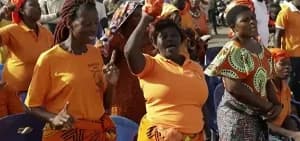
Ghana’s political landscape is currently defined by a dual focus on celebrating social foundations and demanding deep-seated systemic reforms. Leading the national discourse, President John Dramani Mahama and Vice President Professor Naana Jane Opoku-Agyemang recently marked Mother’s Day with tributes to the resilience of Ghanaian women. The Vice President utilized the occasion to reaffirm the government’s commitment to women’s empowerment through initiatives such as the Women’s Development Bank, 24-hour markets, and expanded skills training. This focus on inclusive governance is mirrored in the education sector, where the Ghana Education Service (GES) is advocating for Student Representative Councils to transition the role of 'Women’s Commissioner' to 'Gender Commissioner' to better reflect modern dynamics of advocacy and inclusion.
At the local level, traditional authorities are increasingly assertive regarding development and administrative status. In the Wa West District, Paramount Chief Naa Alhaji Seidu Tungbani Salinbile II and other leaders are pushing for an elevation to municipal status to bolster revenue generation. Meanwhile, the Manwe Traditional Council has commended the collaborative efforts of MP Dr. Godfred Seidu Jasaw and DCE Sayibu Adamu for significant infrastructure gains, including new classroom blocks and road improvements funded through the Common Fund. These local advancements contrast sharply with growing frustrations over systemic failures in the health and housing sectors. Dr. Arthur Kobina Kennedy has notably criticized the 'narrow focus' of recent health reports, arguing that the persistent 'no-bed syndrome' in hospitals is a result of high-level administrative negligence rather than just frontline errors. Simultaneously, the Economic Fighters League and the Rent Control Commission are tackling a housing crisis at the University of Ghana and KNUST, where 'outrageous' hostel fees reaching GH‵24,000 have sparked threats of mass student protests.
On the diplomatic front, Ghana is navigating complex international relationships while addressing regional instability. Chief of Staff Julius Debrah recently reaffirmed the nation’s commitment to its partnership with China, aiming to position Ghana as a West African industrial hub through enhanced trade and economic cooperation. In a more pointed diplomatic stance, Mpraeso MP Davis Ansah Opoku has urged the government to leverage Gold Fields’ lease extension negotiations to demand that South Africa take decisive action against xenophobic attacks on African migrants. This call for continental solidarity comes as neighboring West African nations face significant turmoil; hundreds recently rallied in Mali to support the military junta amid a security crisis, Niger has suspended French media outlets citing national security concerns, and Togolese opposition groups have united to protest constitutional changes that they claim will unfairly extend President Faure Gnassingbe’s tenure.
As Ghana prepares for its next Government Accountability Series featuring the Ghana Medical Trust Fund on May 11, the nation remains a pivot point for both internal reform and regional diplomacy. While local leaders focus on infrastructure and municipal upgrades, the broader political conversation is increasingly dominated by demands for accountability in public services and a firm stance against external threats to African unity. The ongoing conflict in the Middle East, including recent escalations between Israel and Lebanon, further underscores the volatile global environment within which Ghana must maintain its stability and economic progress. Moving forward, the government faces the challenge of translating high-level diplomatic commitments into tangible improvements in healthcare, housing, and local governance for all citizens.
This story touches markets covered on Anansi Intelligence ↗.
Related topic
Ghana Education Service (GES): Latest News Today →Live rates
Ghana gold price →More from politics
Continue exploring similar stories


